
ELECTRIC LOCOMOTIVES
ROCO
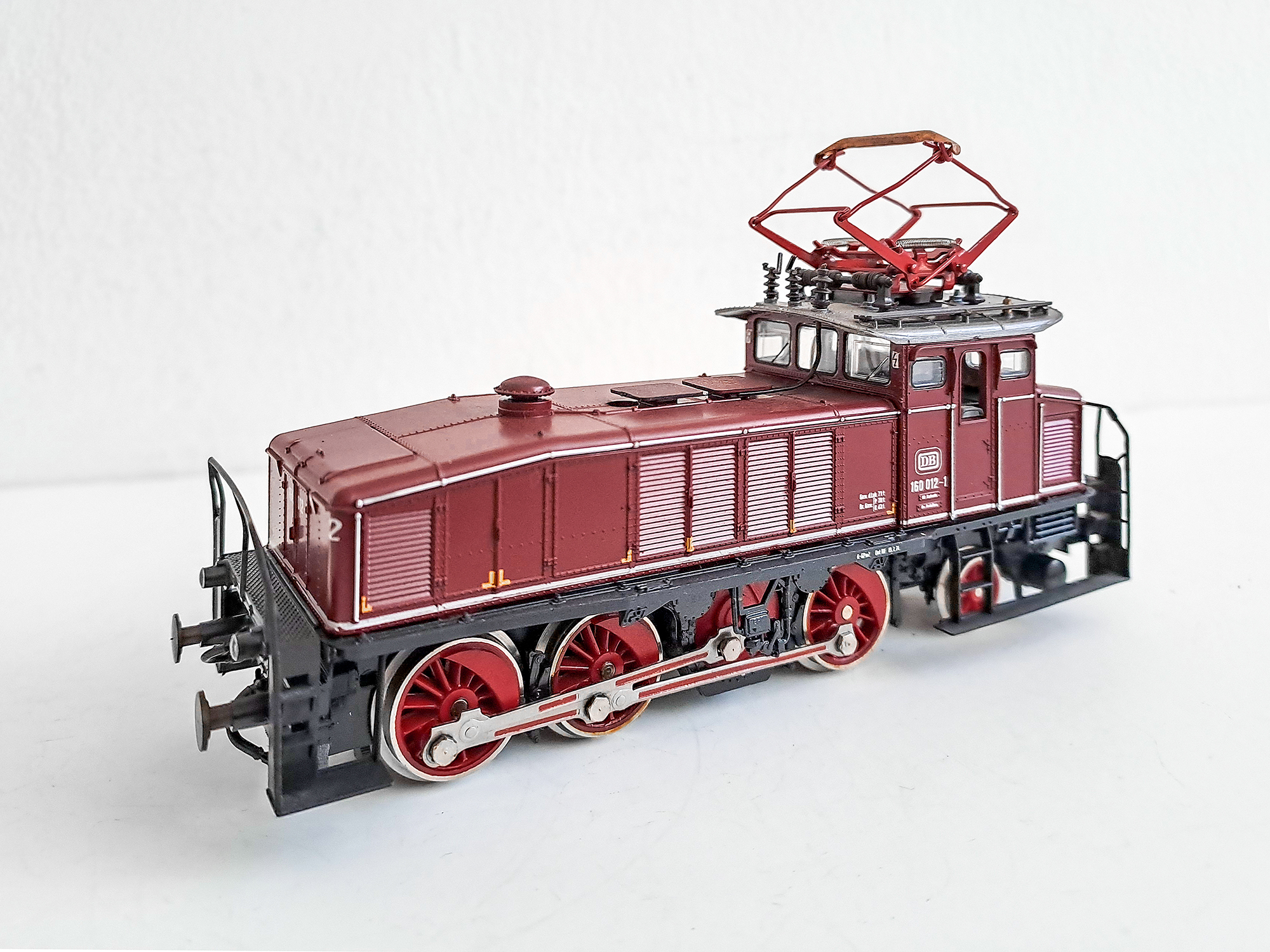
Steam Loco????????????????????????????????????????rator no 10.
ROCO
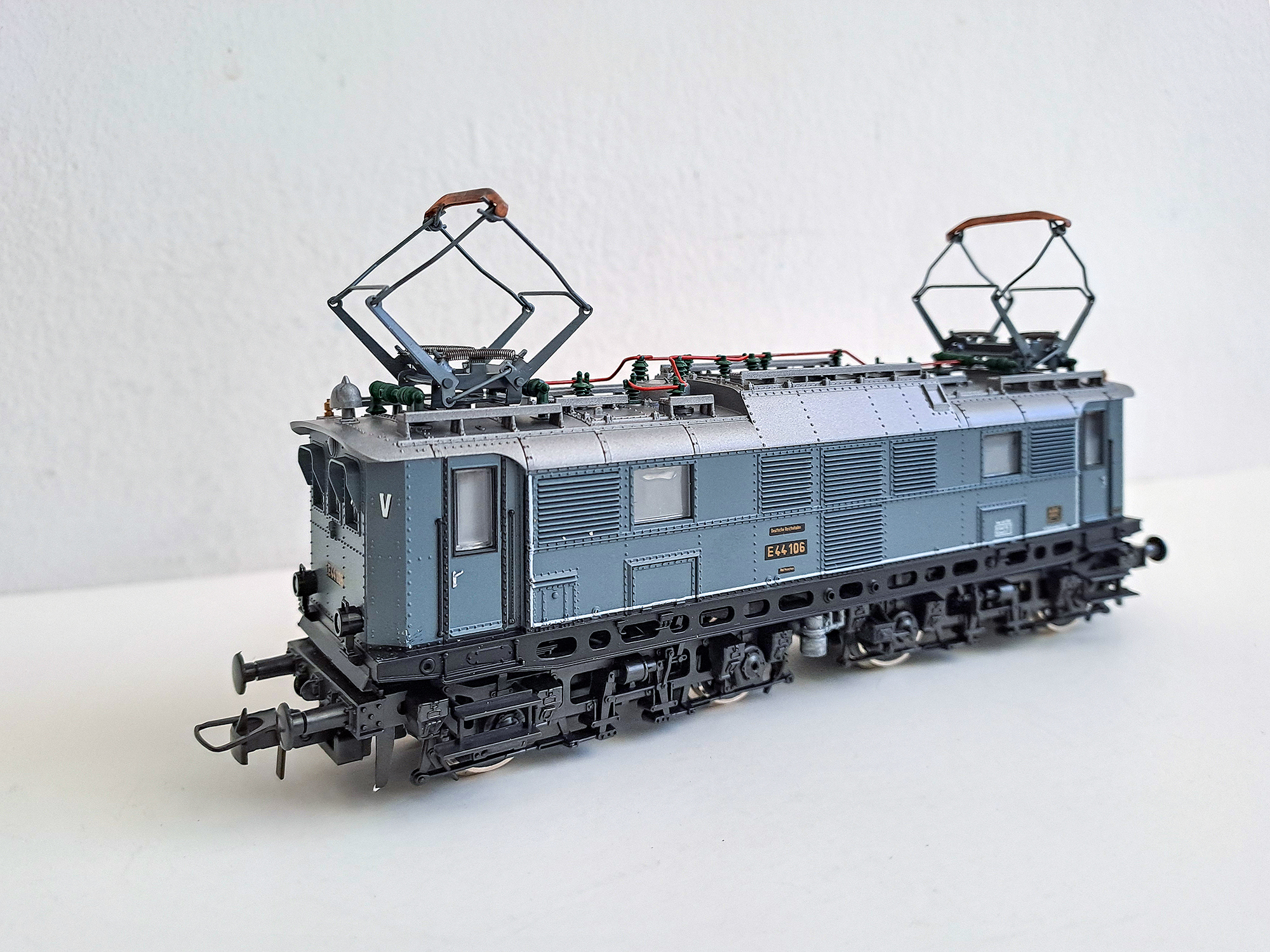
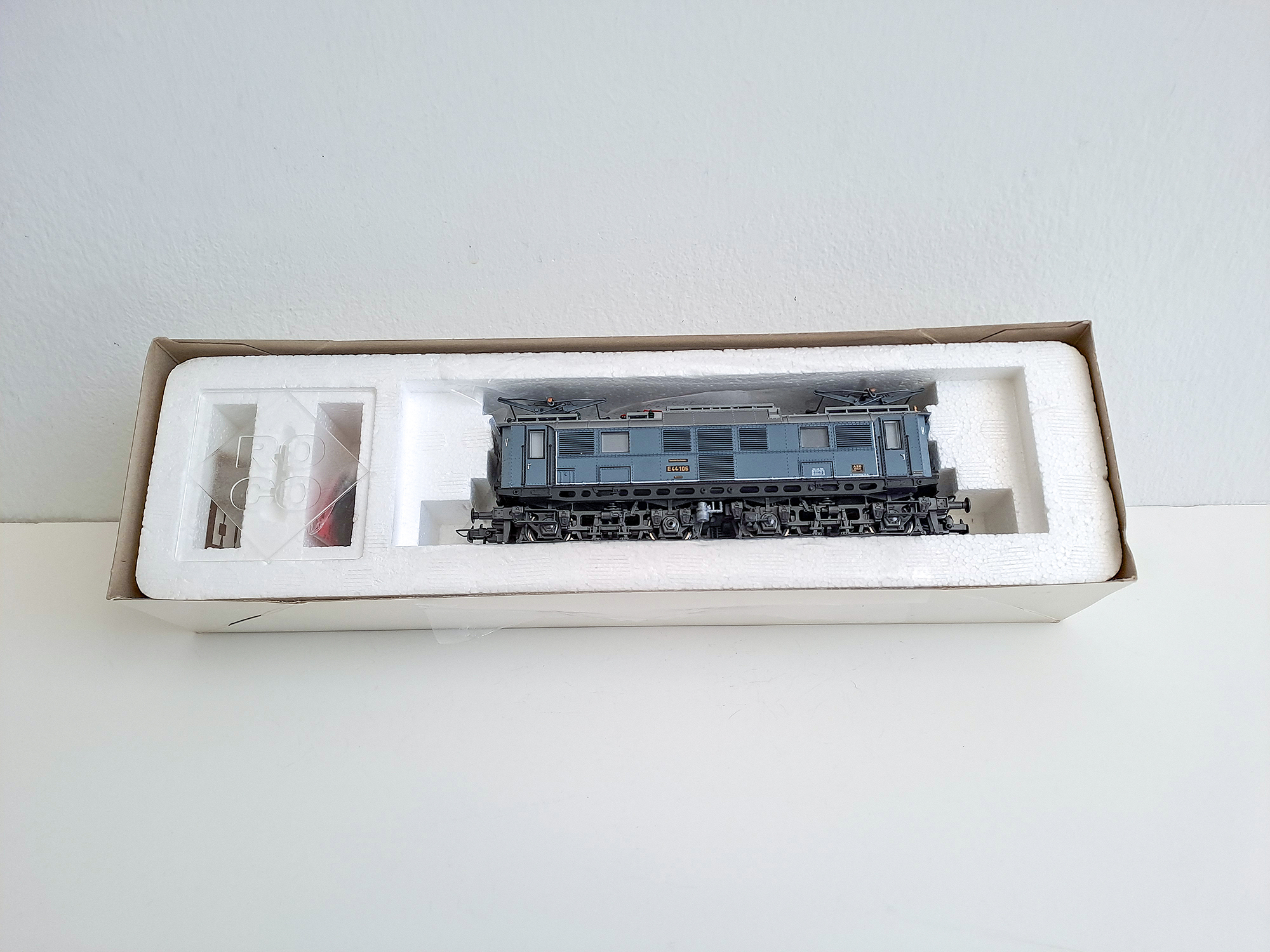
Class E 445 of the German State Railways (Company), wheel arrangement Bo-Bo. Same as model 4305, but authentic livery and detailing of DRG locomotive no. E 44 106, etched brass number plates for engine E 44 107 are supplied to be used alternatively.
ROCO
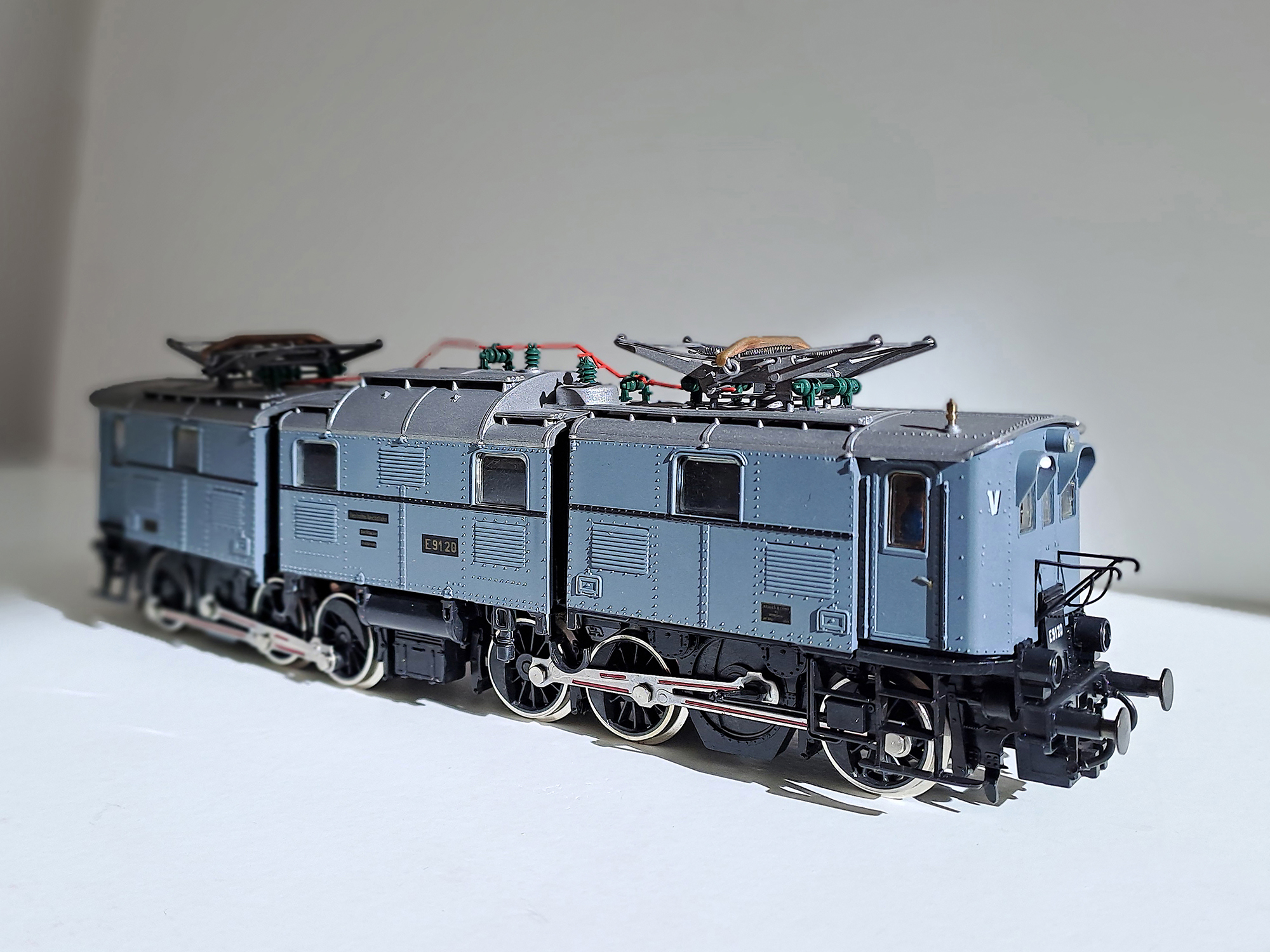
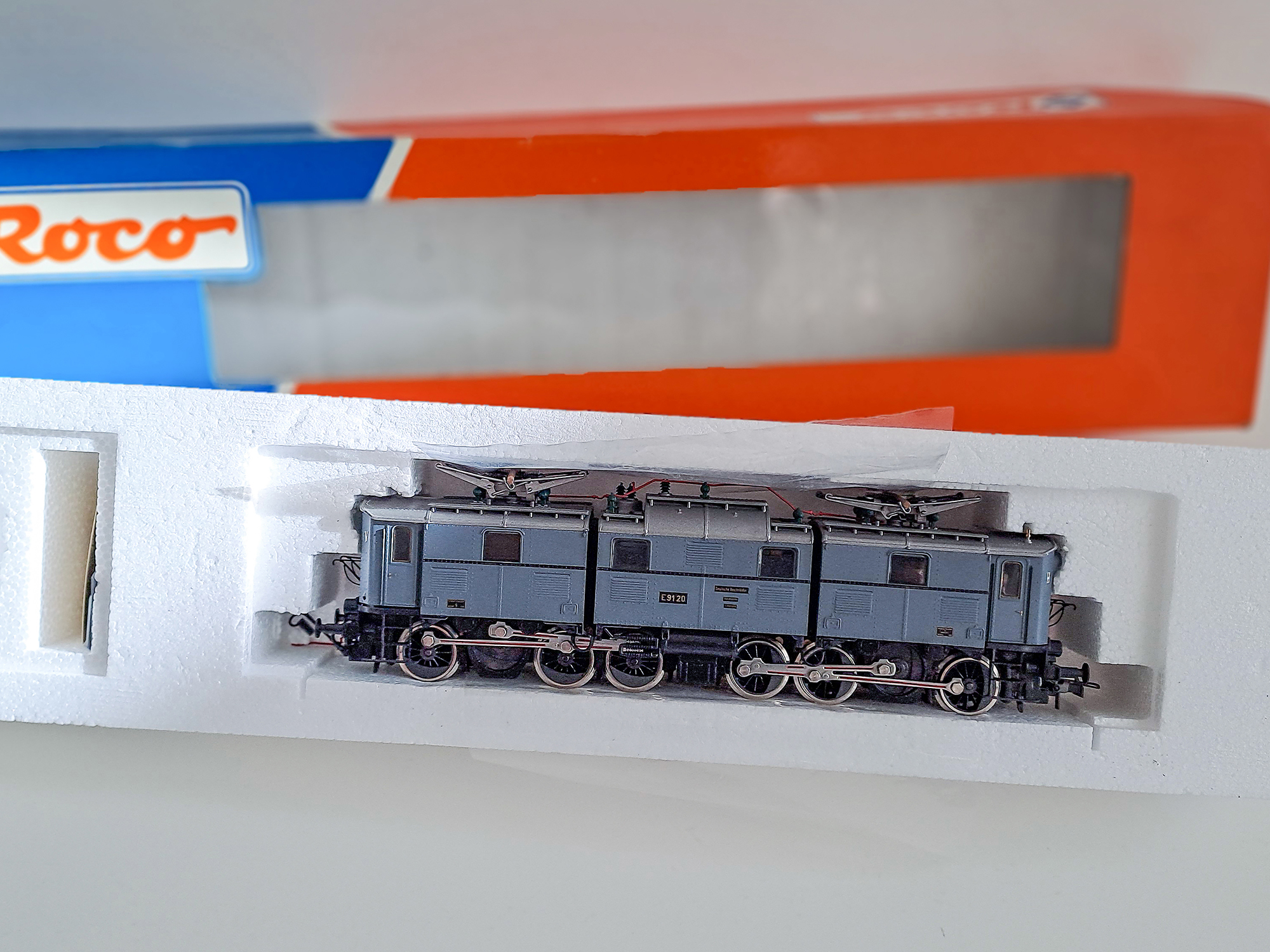
Class E 91 of the DRG, wheel arrangement Co-Co. The Prussian and the Bavarian State Railways as well as their successor, the German State Railway, procured a total of 34 locomotives of this class for heavy freight train service. These locomotives where so successful that 17 units were reconditioned after World War II and used for shunting service. Model of locomotive E 91 20. Plastic body, all 6 axles powered, two wheels with traction tyres. Automatic coupling at both ends.
ROCO
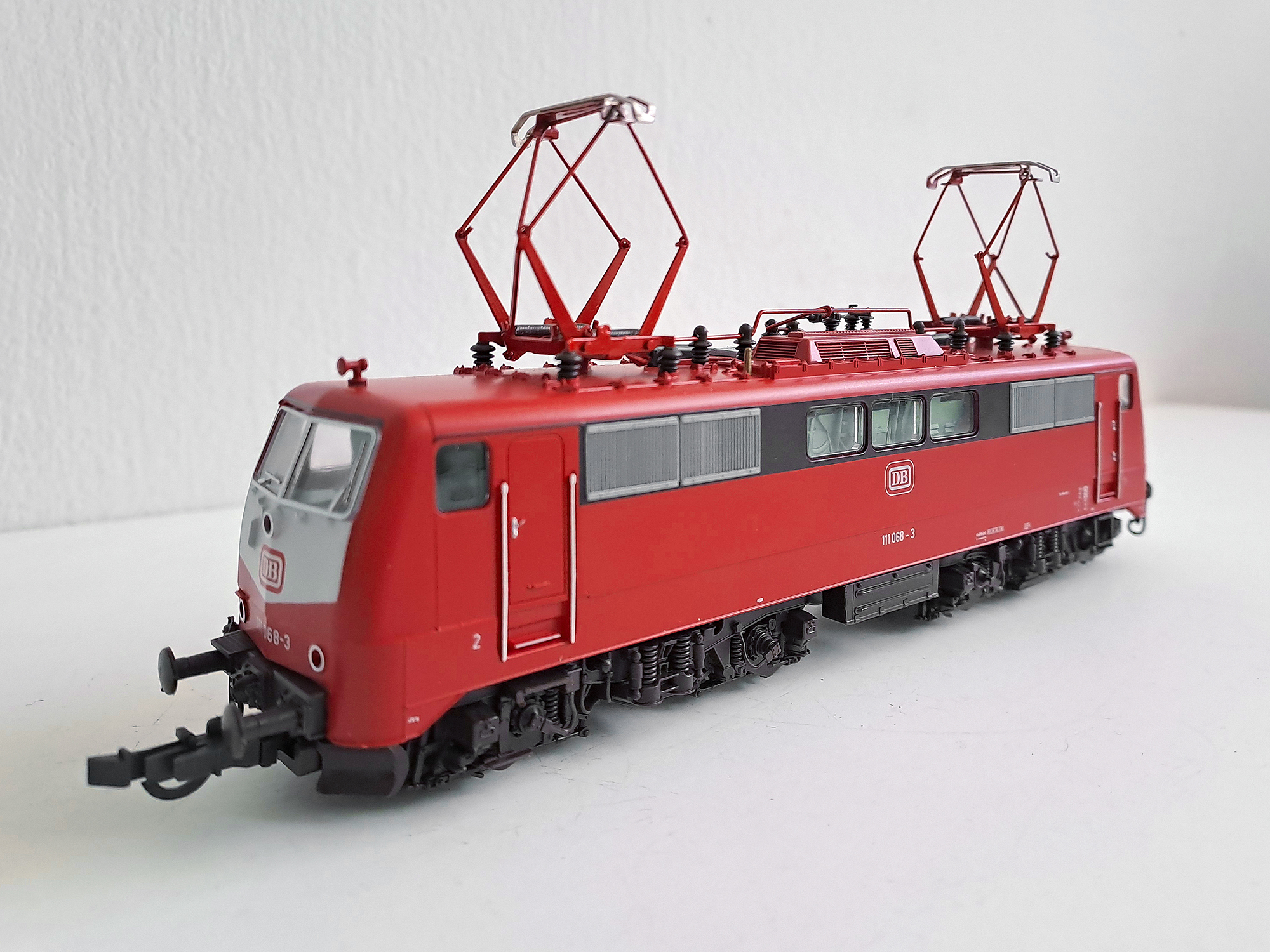
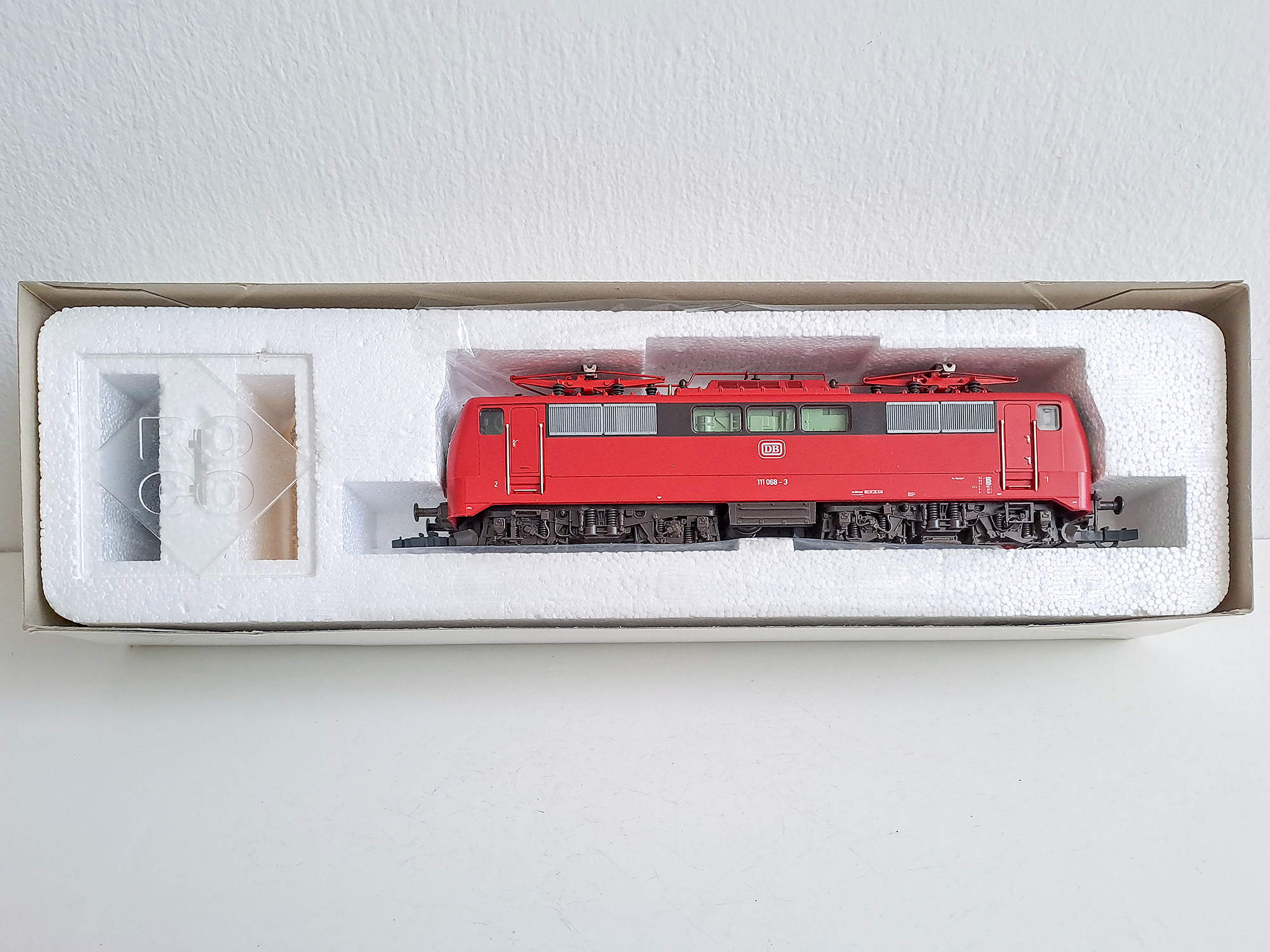
Class 111 of the DB, wheel arrangement Bo-Bo, era V. More than 220 of these locomotives have been built since 1974; they can be used for heavy express and freight train service. They have a maximum speed of 160 km/h and a power output of 3620 kW. Model of locomotive 111 068-3 of the DB. Plastic body, all four axles powered, 2 wheels with traction tyres.
ROCO
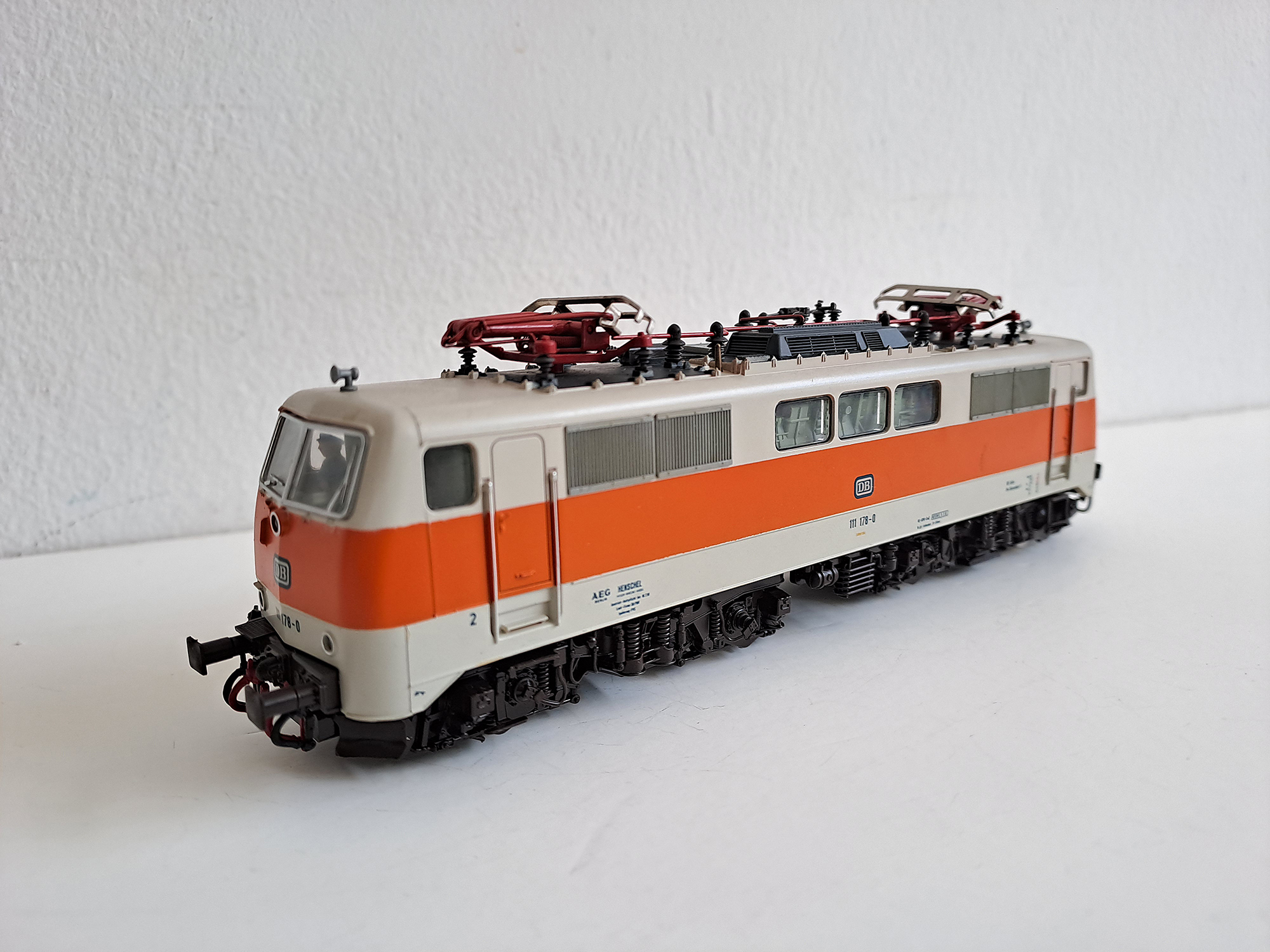
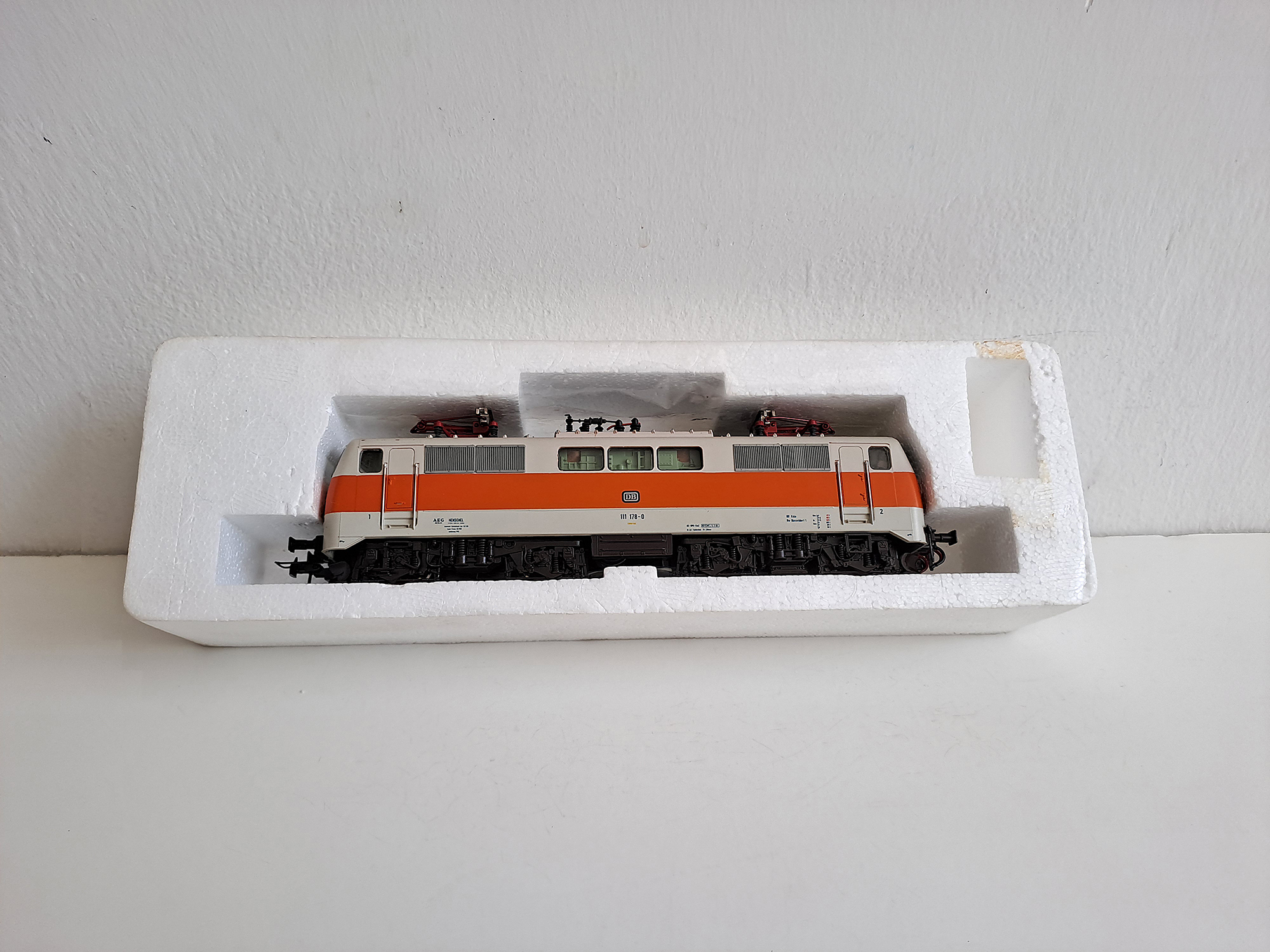
Class 111 of the DB. 78 locomotives of class 111 were built for locomotive- powered suburban traffic since 1978; they have stone-grey/orange livery. They are primarily used for fast suburban service in the Ruhr area. Model of locomotive 111 178-0 of the DB. Technical details same as model 43412.
ROCO
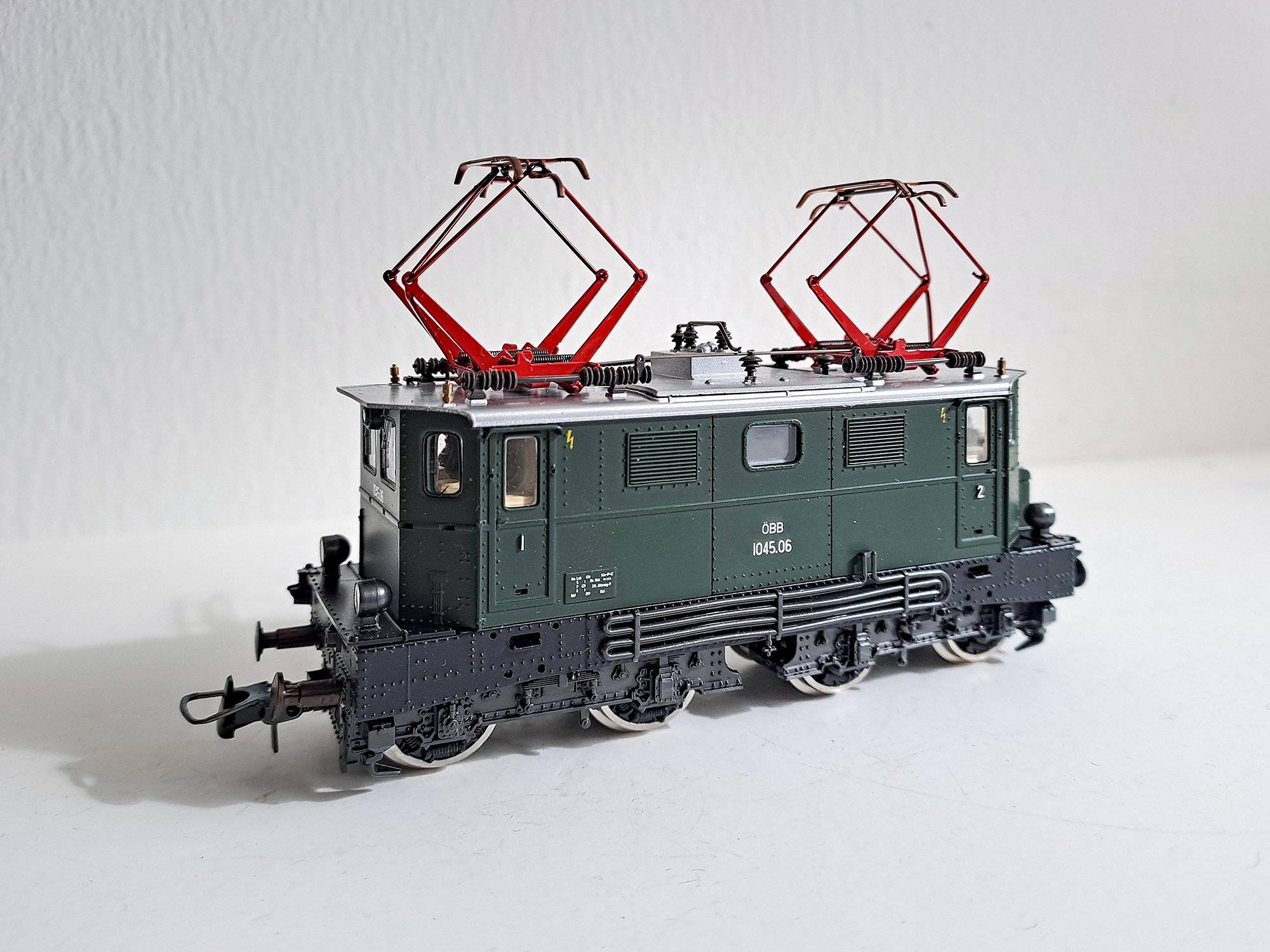
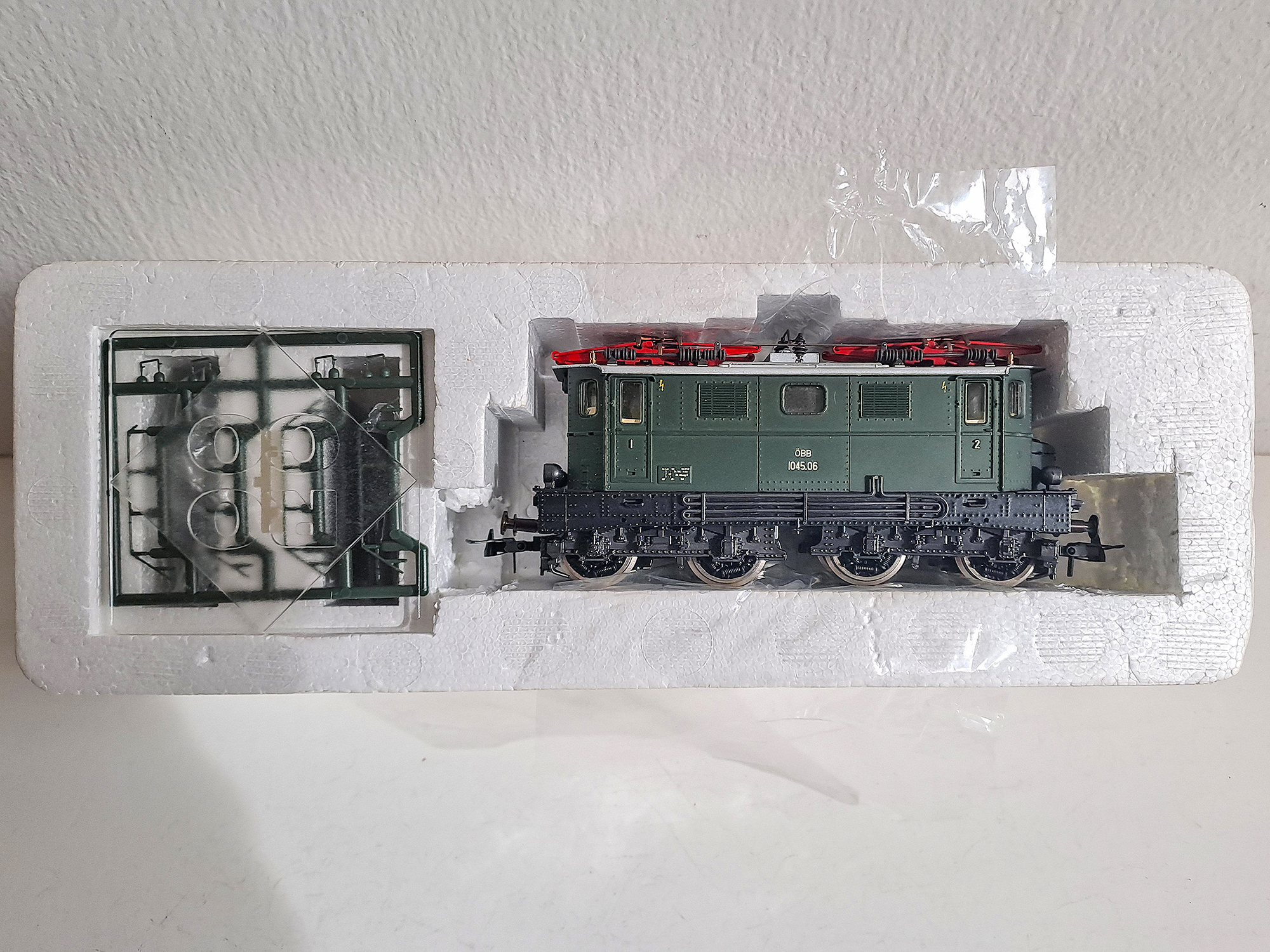
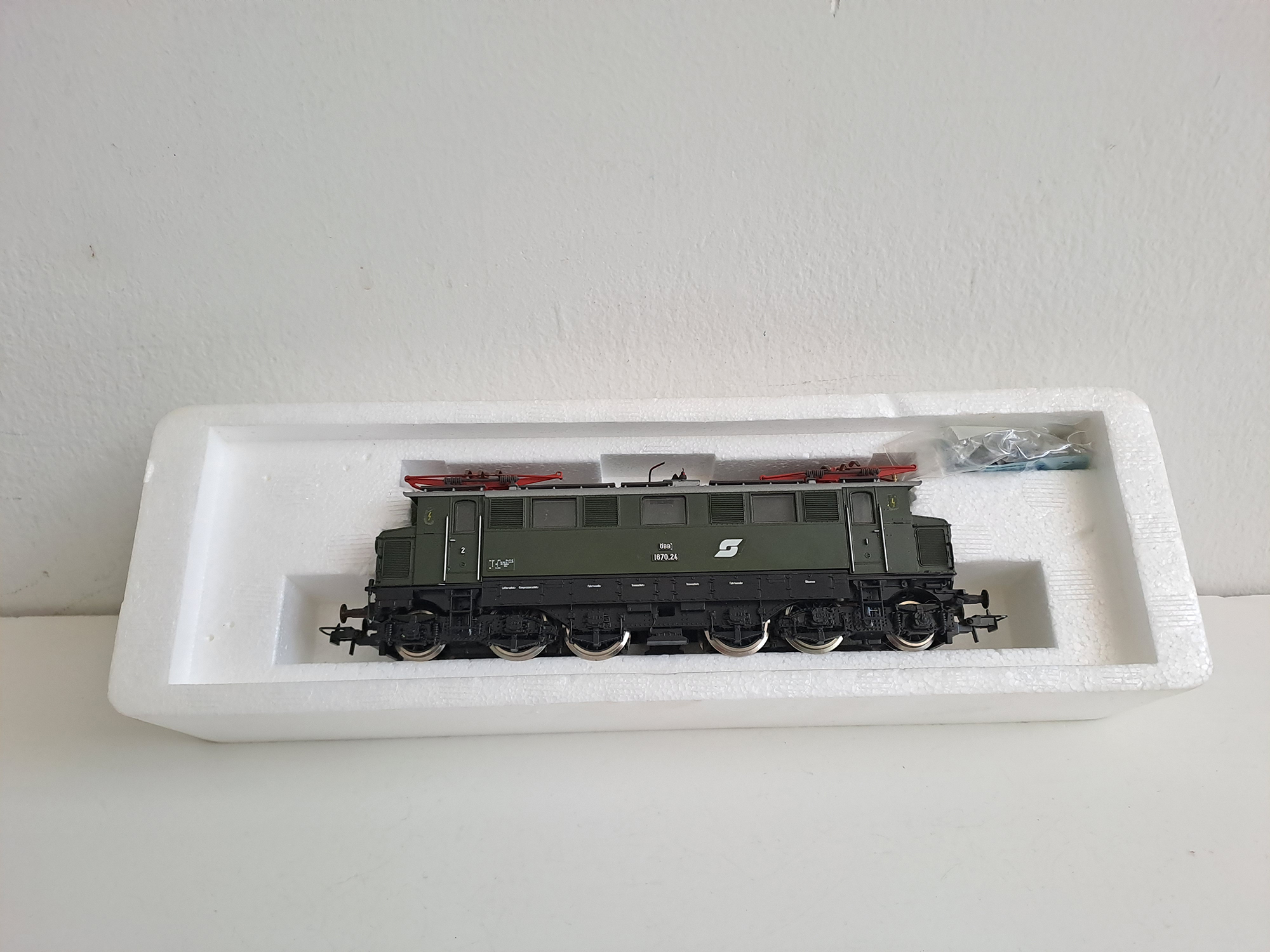
Between 1927 and 1929 the BBÖ procured a total of 14 locomotives of class 1170 (today 1045). These locomotives where the first to use individual axle drive with a wheel arrangement Bo-Bo. They were used mainly for light and medium heavy passenger and freight train service and for double heading. the engines have a power output of 1140 kW and a maximum speed of 60 km/h. Model of locomotive 1045.06 (alternatively 1045.01/1045.07) of the ÖBB. Metal frame, superstructure made of plastic. All for axles powered, especially good hauling capability due to special design of the bogies.
ROCO
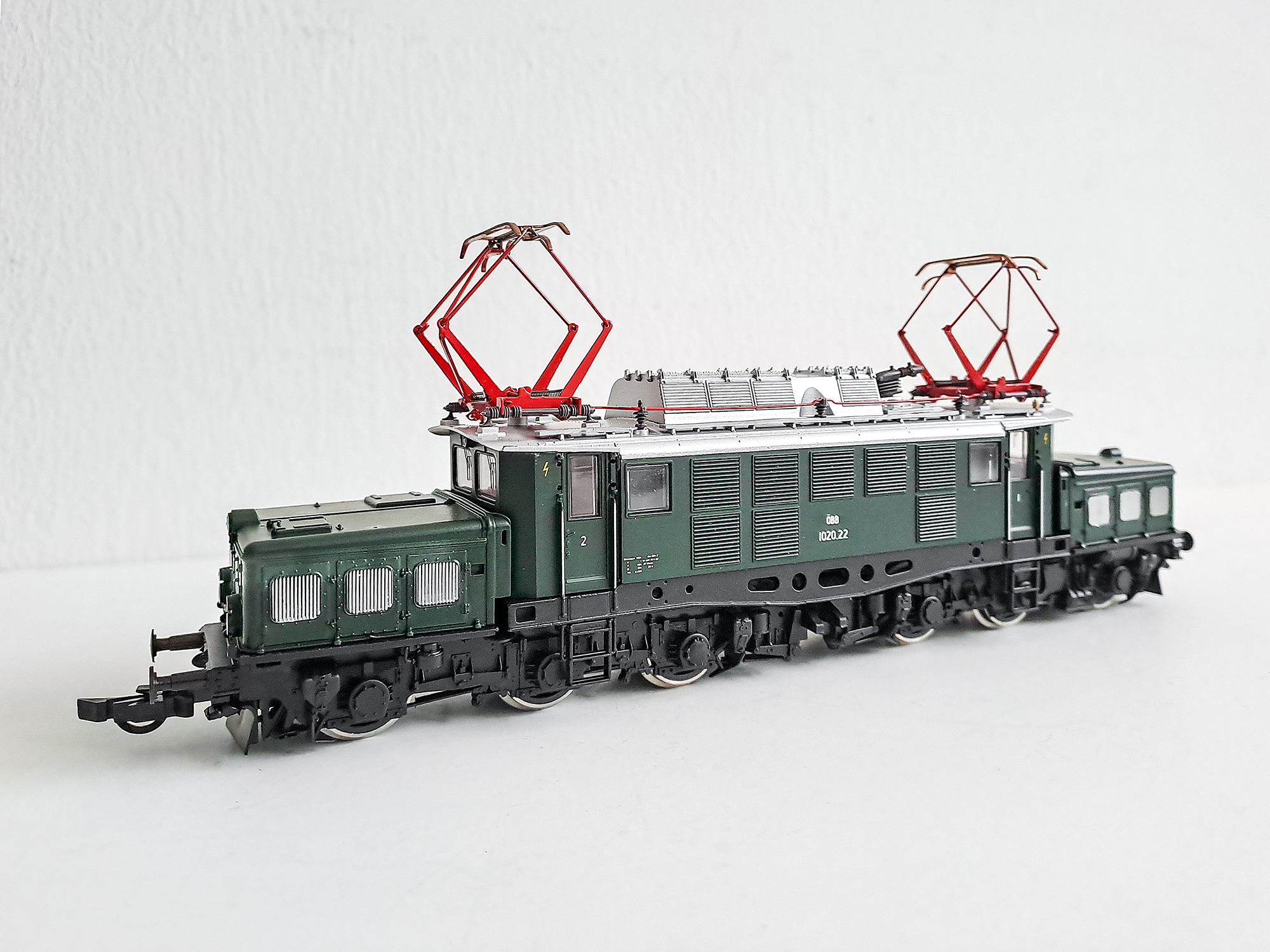
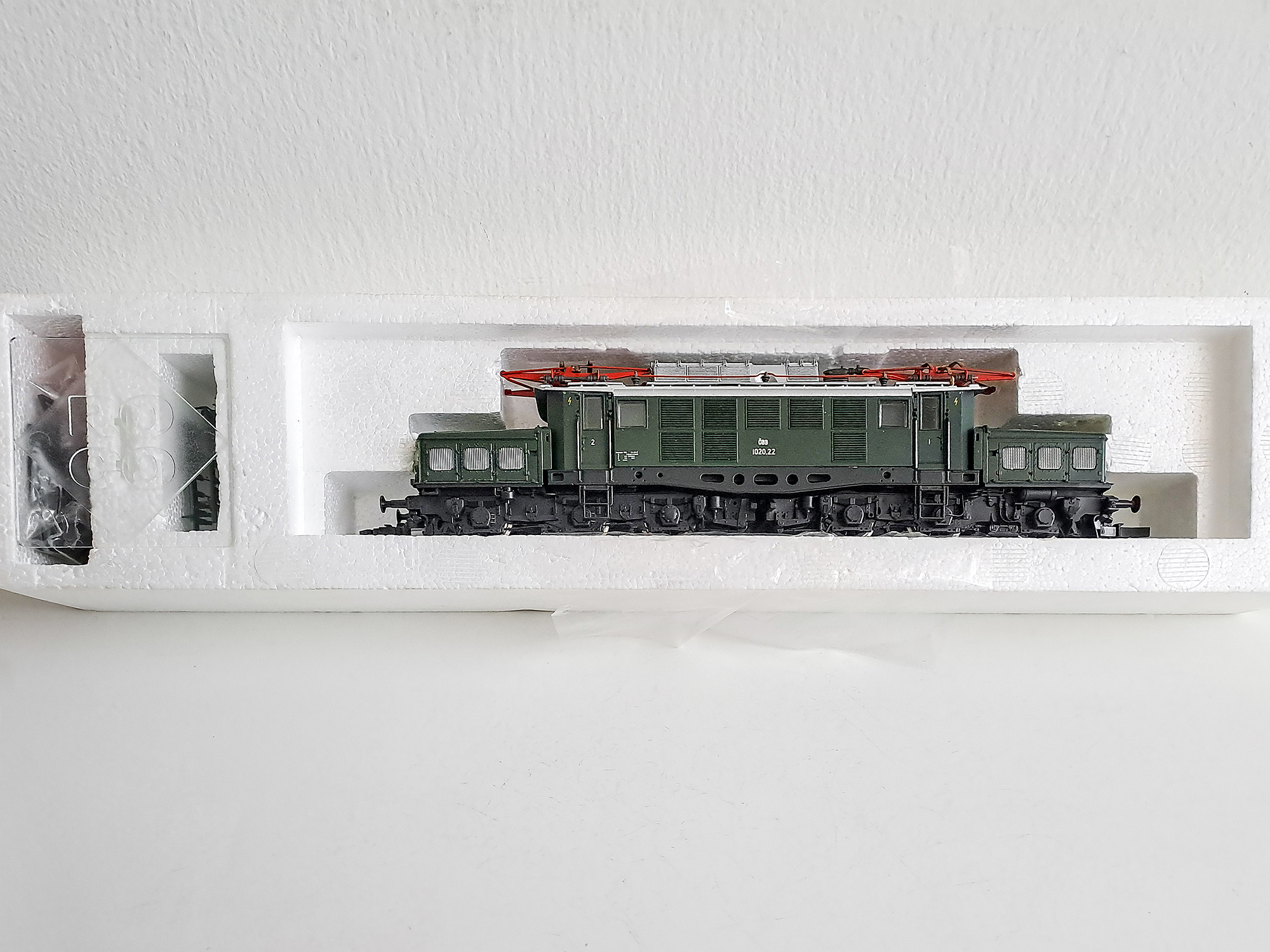
Electric locomotive class 1020 of the ÖBB, wheel arrangement Co-Co. The locomotives (German class) E 94 were built starting in 1940; after World War II, 44 of them remained in Austria. In 1954 they received the class and operating numbers 1020.01-44. At the same time, the Viennese locomotive factory delivered three additional locomotives 1020.45-47, fabricated from available spare parts and differing technically only slightly from the originals. These rugged locos, weighting 118.5 tons and having a top speed of 90 km/h, were used in mixed service, including express trains. Today the 1020 class is used at the dispatch centers of Villach, Innsbruck, Wörgl and Bludenz, generally for double heading or pusher service on routes with steep grades. Since the mid- 1980s, extensive repairs are no longer done on these locomotives and the 1020.02, 19,21,36,43 and 45-47 have been taken out of service. As a result of the new “Austrotakt” (improved intercity service at hourly intervals) during June 1991 and the resulting storage of locomotives, the ÖBB cannot give up the use of the class 1020 for some time to come, therefore larger repairs are once again effected. Model of locomotive 1020.023-6, wheel arrangement Co-Co era V. Correct detailing of the of bogie side-frames, superstructure and roof equipment (different from class 94 of the DB, model 43483). Composite metal-plastic construction, all six axles powered, 4 wheels with traction tyres.
ROCO
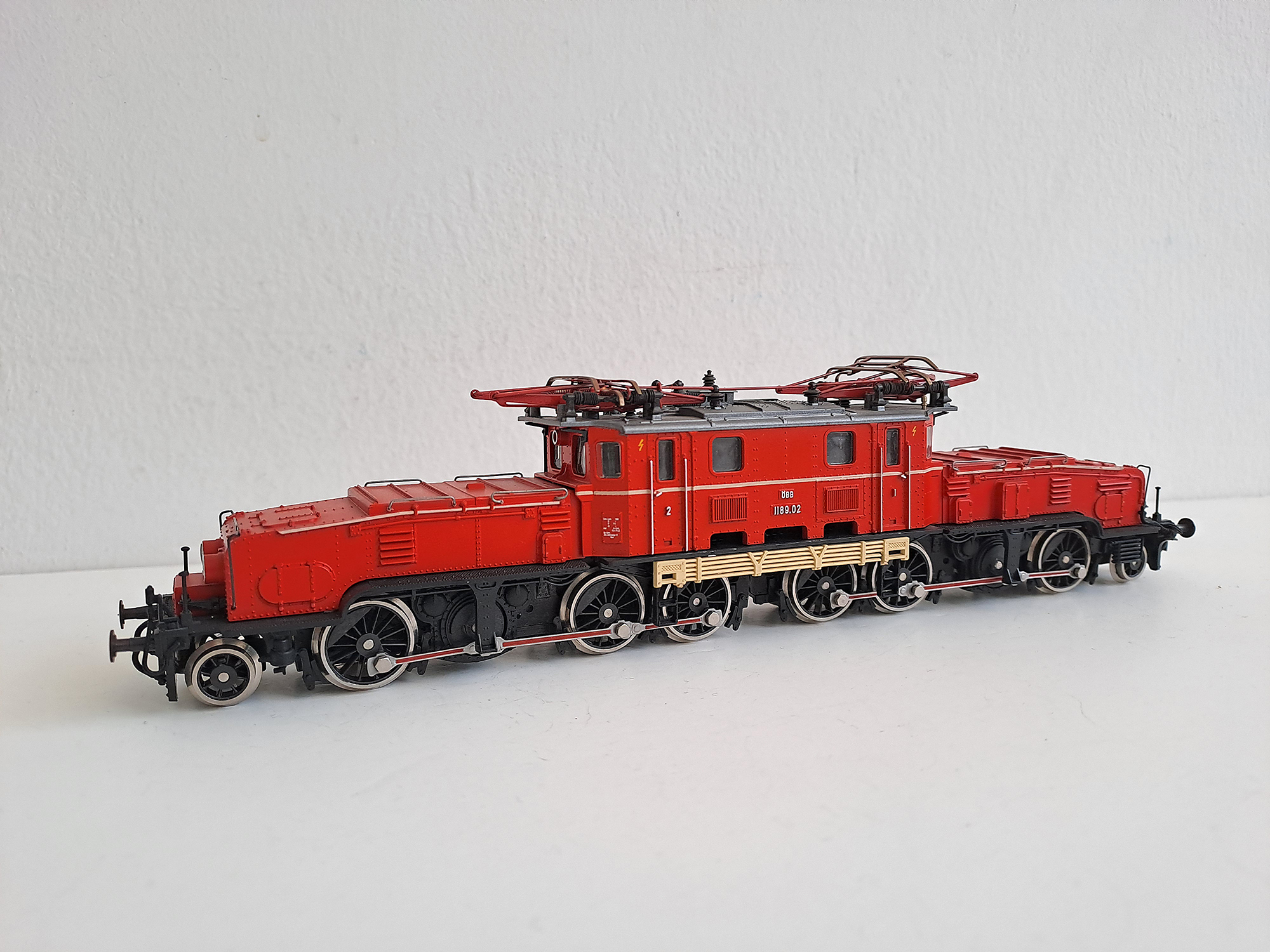
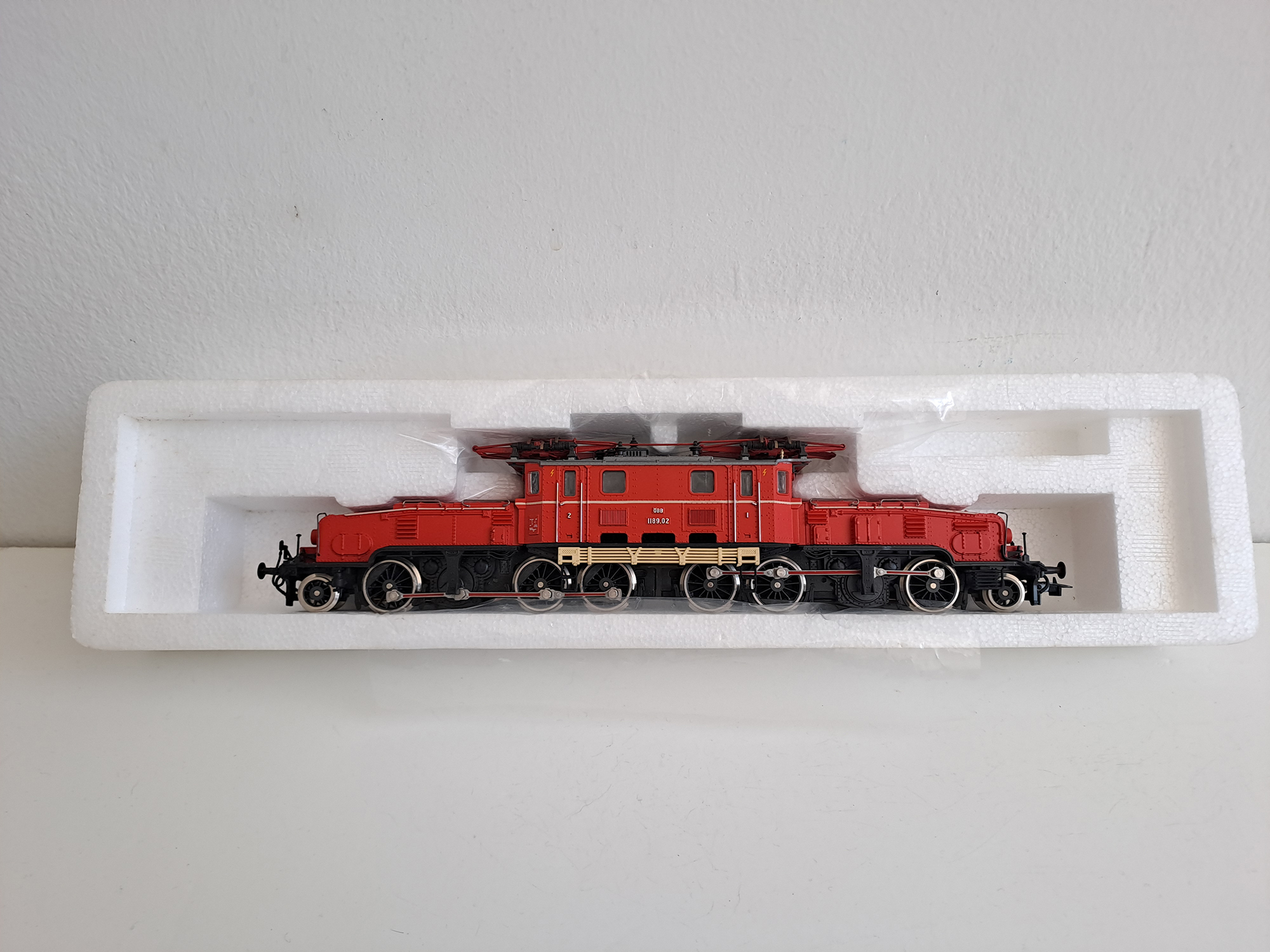
Electric locomotive class 1189 of the ÖBB, wheel arrangement 2-6+6-2. 9 locomotives of this type were played in express passenger service on the Arlberg line in 1926. They had a power output of 1900 kW and a maximum speed of 75 km/h. As a result of their articulated construction they were nicknamed “crocodile”. Only 4 locomotives of this class exist today: the 1089.06 is at the Traffic and Technical Museum Sinzheim (originally at the Verkehrshaus (museum) in Lucerne, Switzerland, then sold to West Germany), the 1189.09 as static exhibit at the freight station Wolfurt, the 1189.02 is maintained in working condition by the ÖBB as museum locomotive, having been reconditioned extensively to represent its original condition with its former operating number 1100.102, and the 1189.05, similar to model 43446 which will be exhibited in a railway museum. Model of locomotive 1189.02, era IV. Plastic body, all six drive axles powered, 4 wheels with traction tyres.
ROCO
Steam Loco????????????????????????????????????????rator no 10.
ROCO
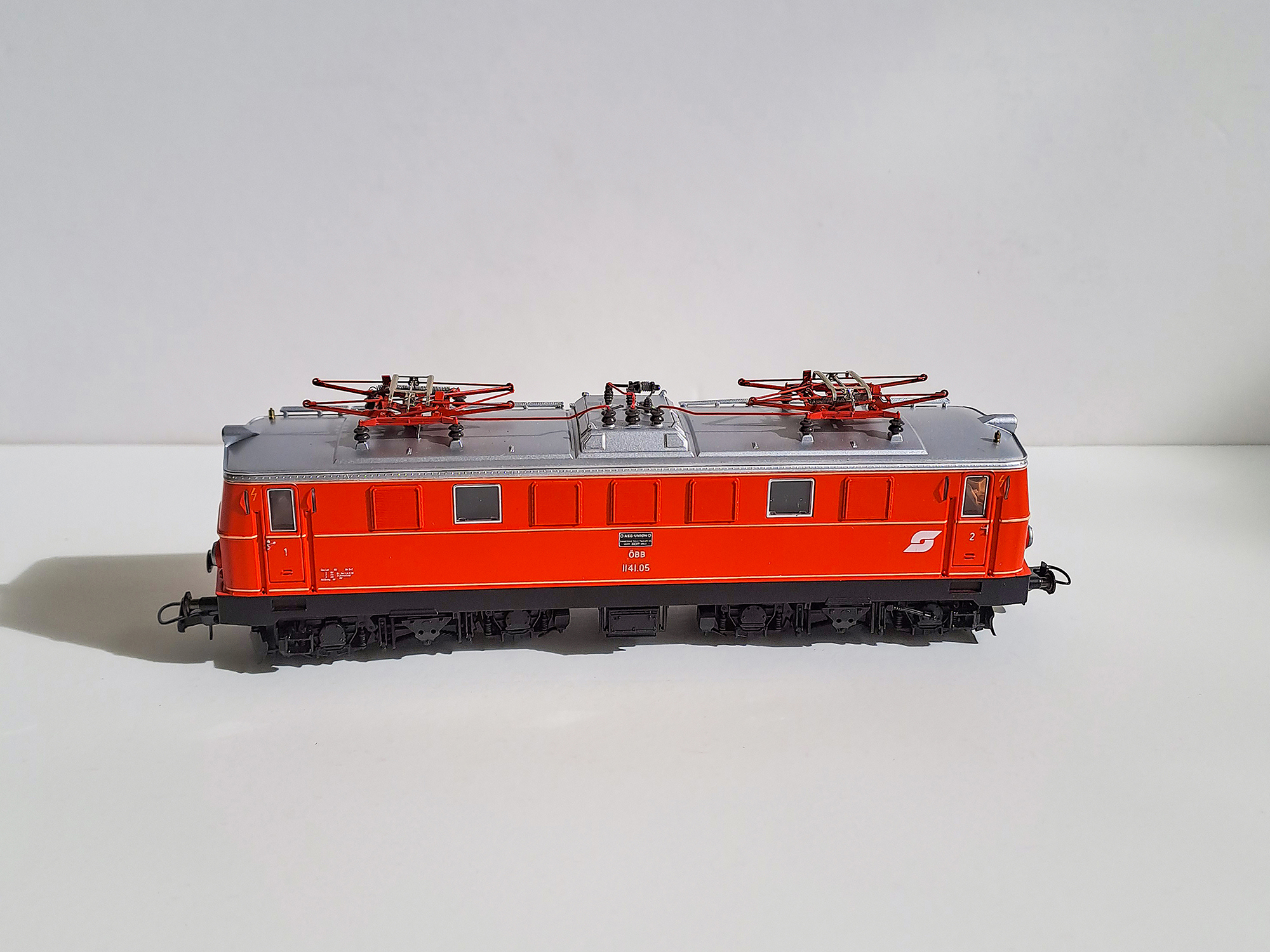
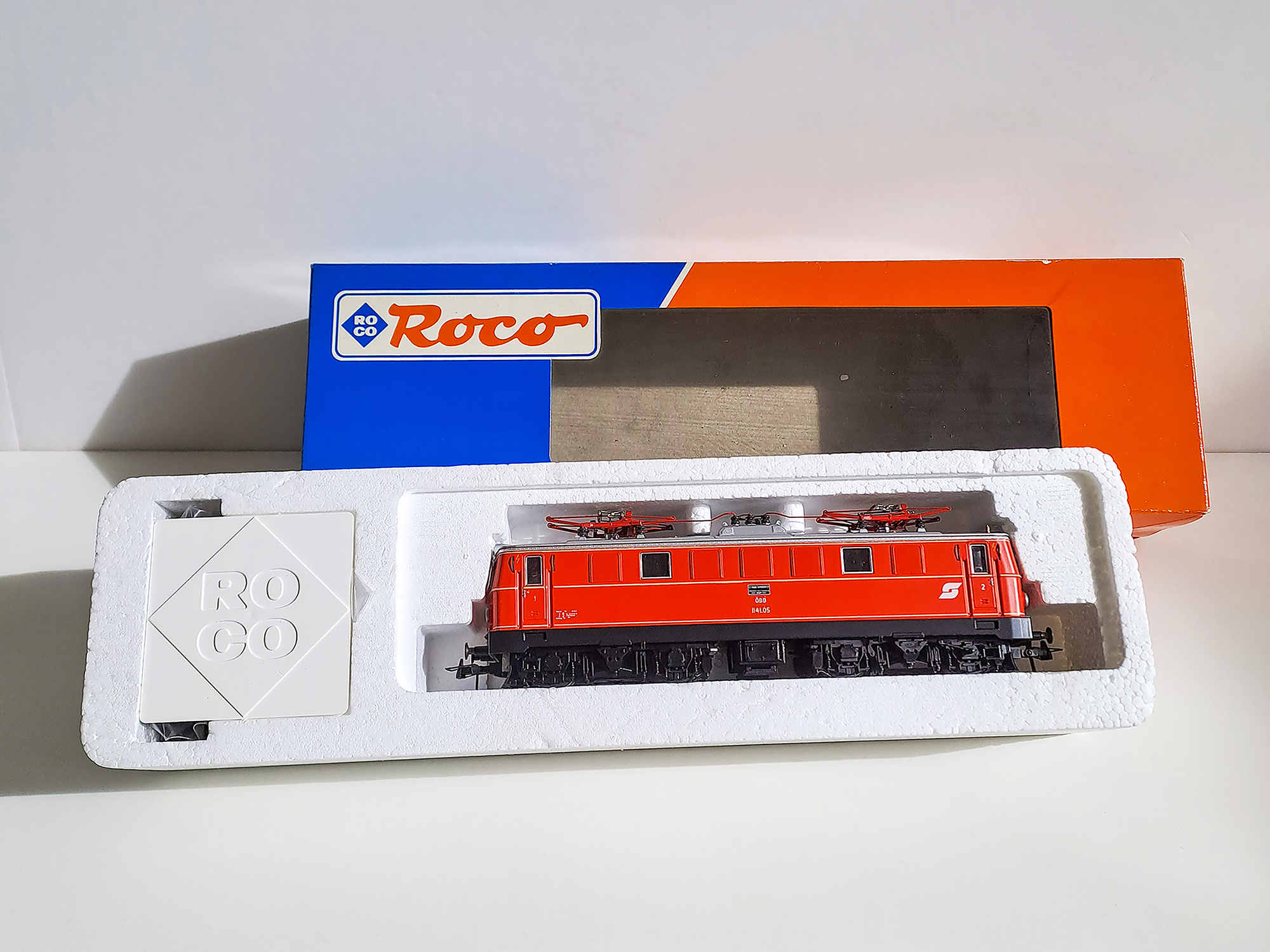
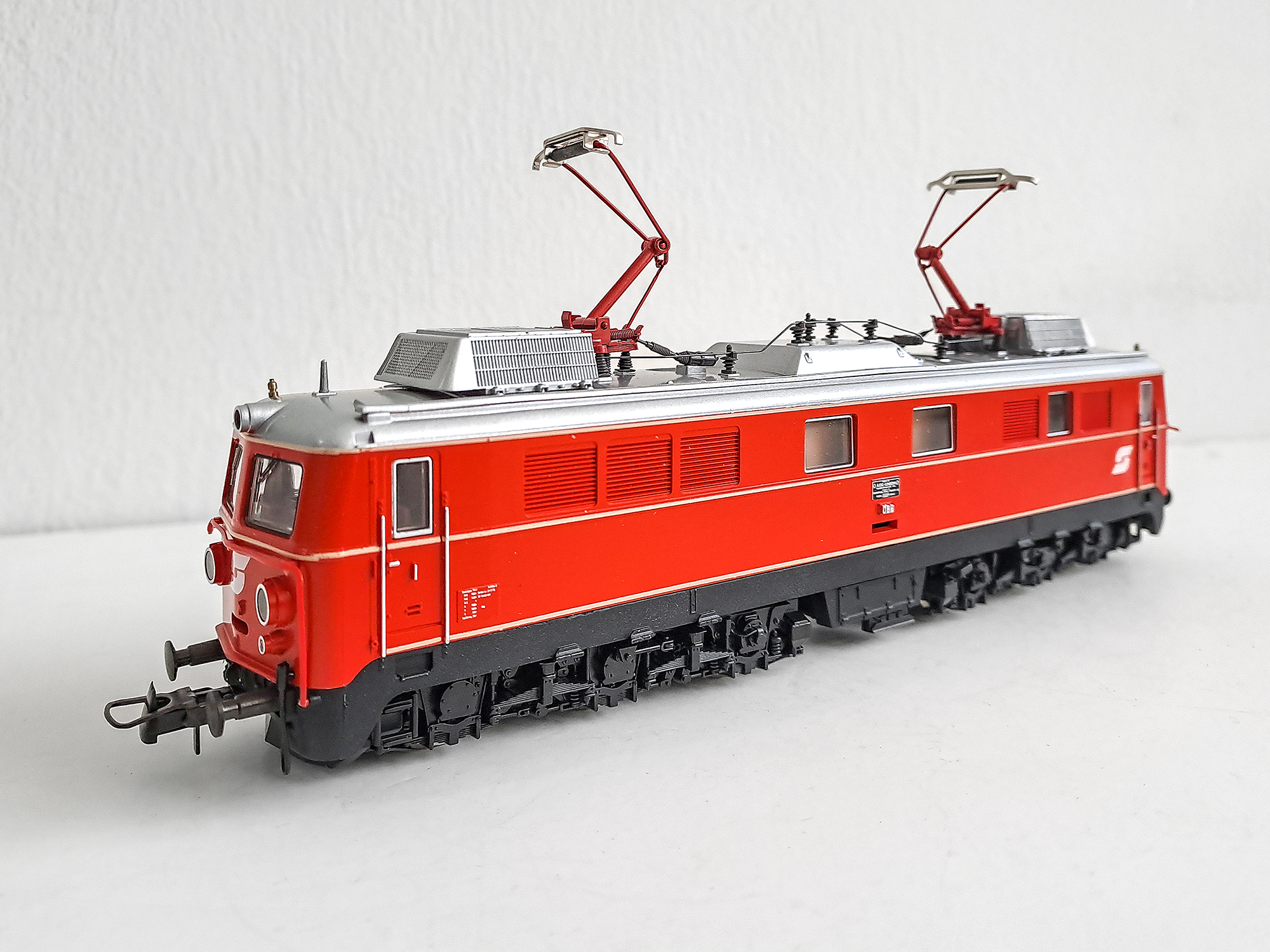
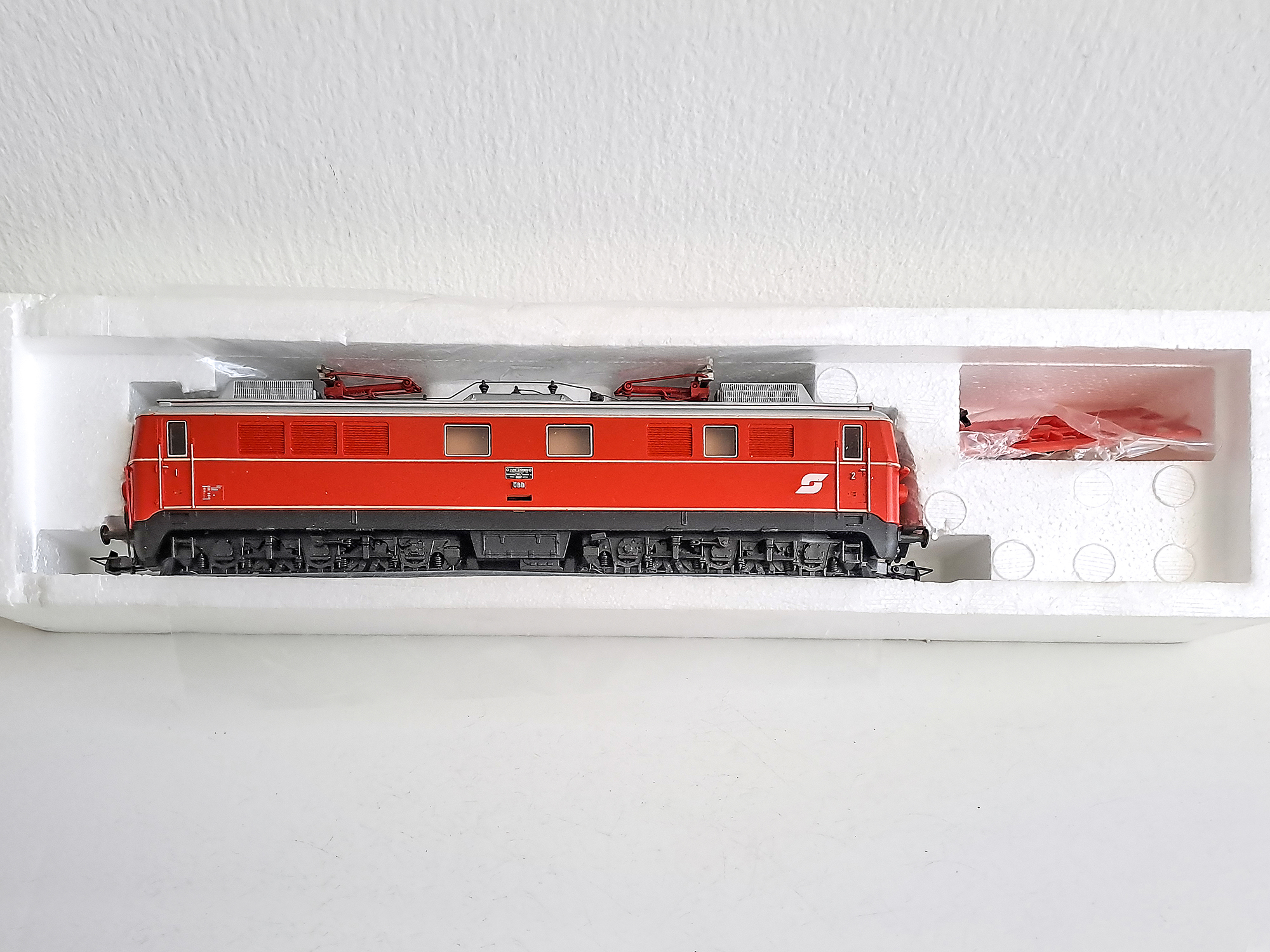
Model of electric locomotive 1141.05 of the ÖBB in red-orange livery. Alternative loco numbers for engines 1141.07, 1141.14 and 1141.20 are supplied. Technical details same as model 43640, but the pantographs have wide “Wanisch” current pickups and other prototypical changes as compared to the loco with green livery.
ROCO
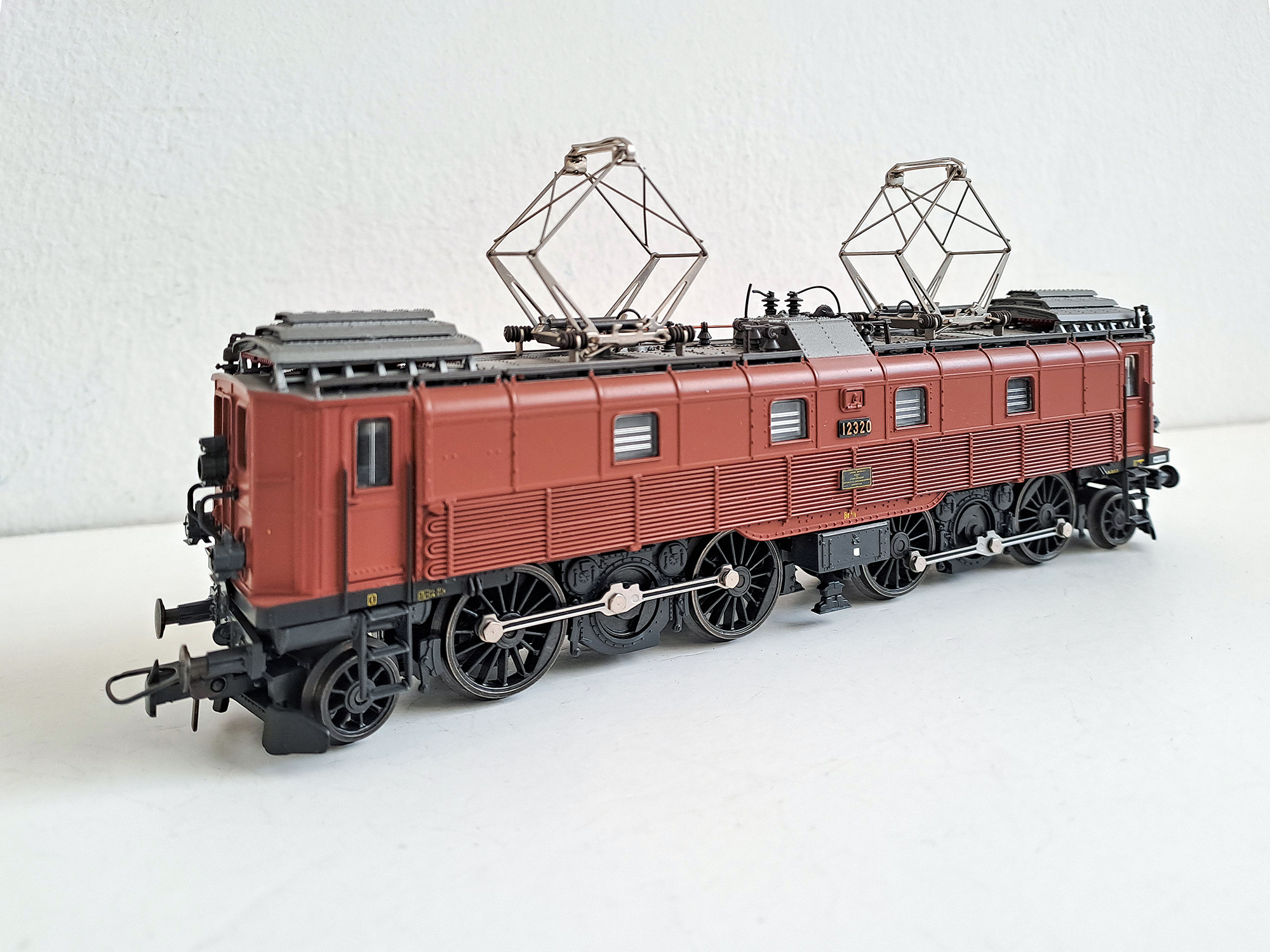
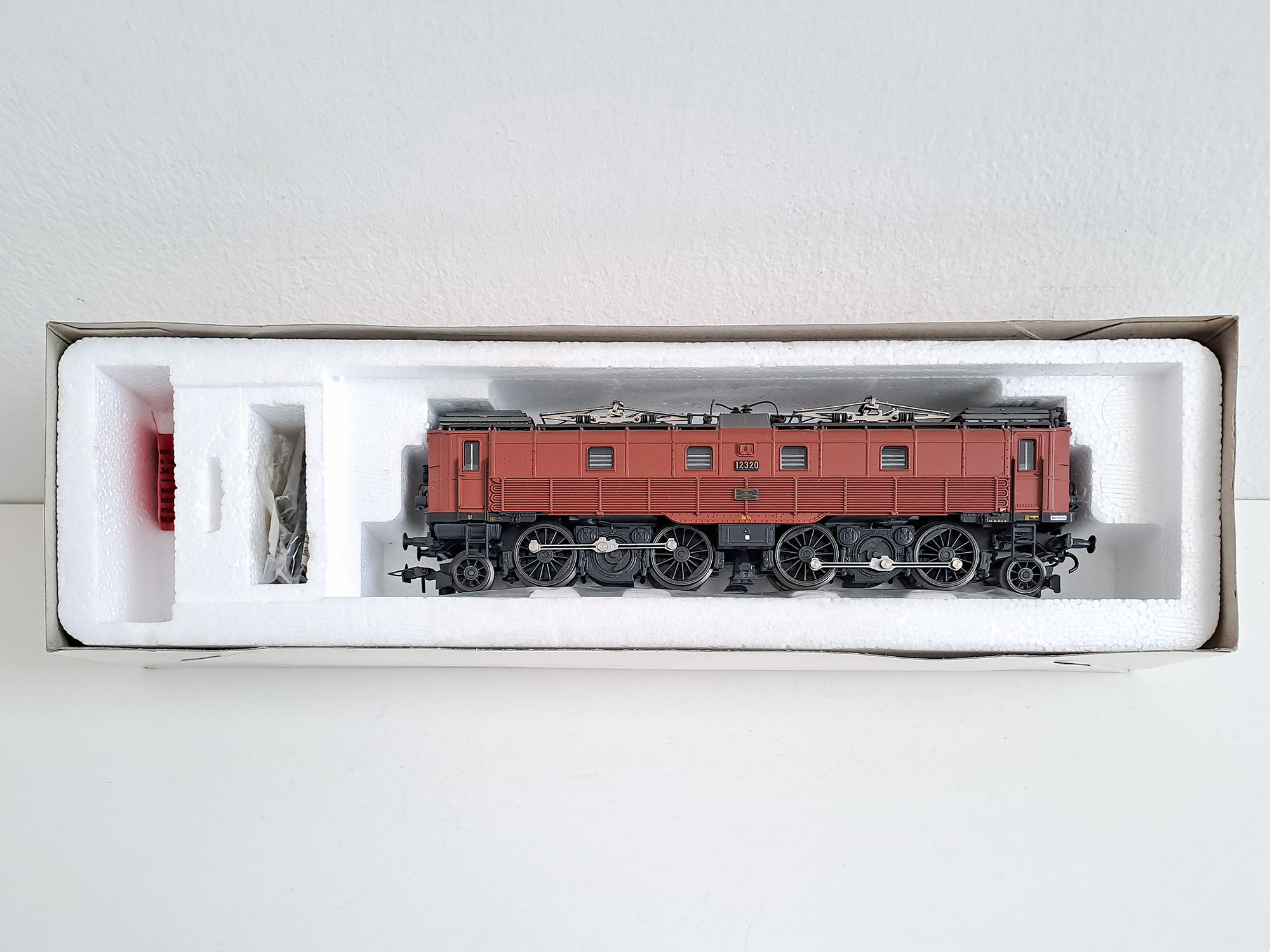
+ 43507 text. Electric locomotive Be 4/6 II of the SBB. Similar to model 43507 but in brown livery. Reproduction of the front connecting doors and locomotive number 12320 for area II. This locomotive exists in working order as museum locomotive in Winterthour.
ROCO
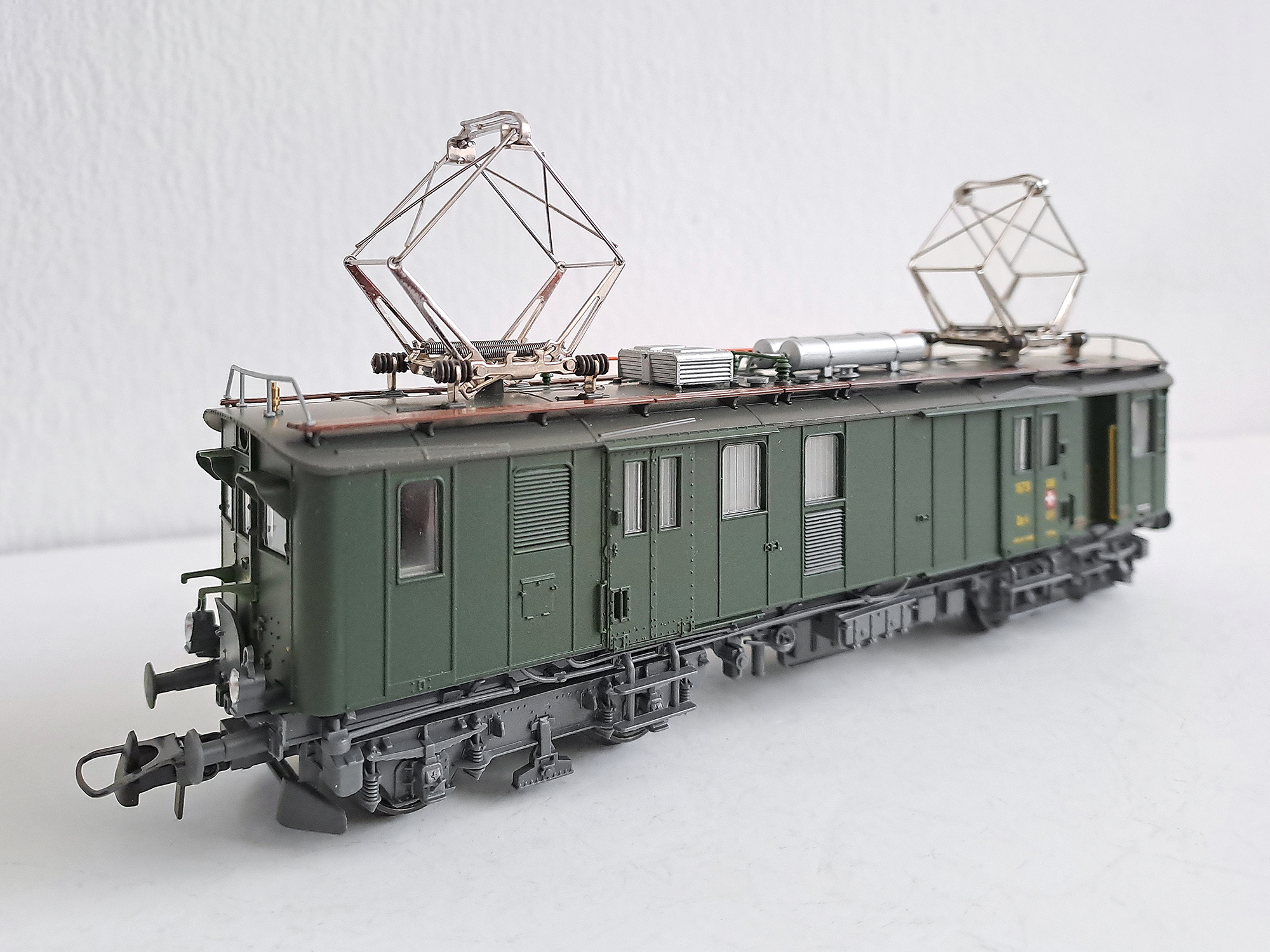
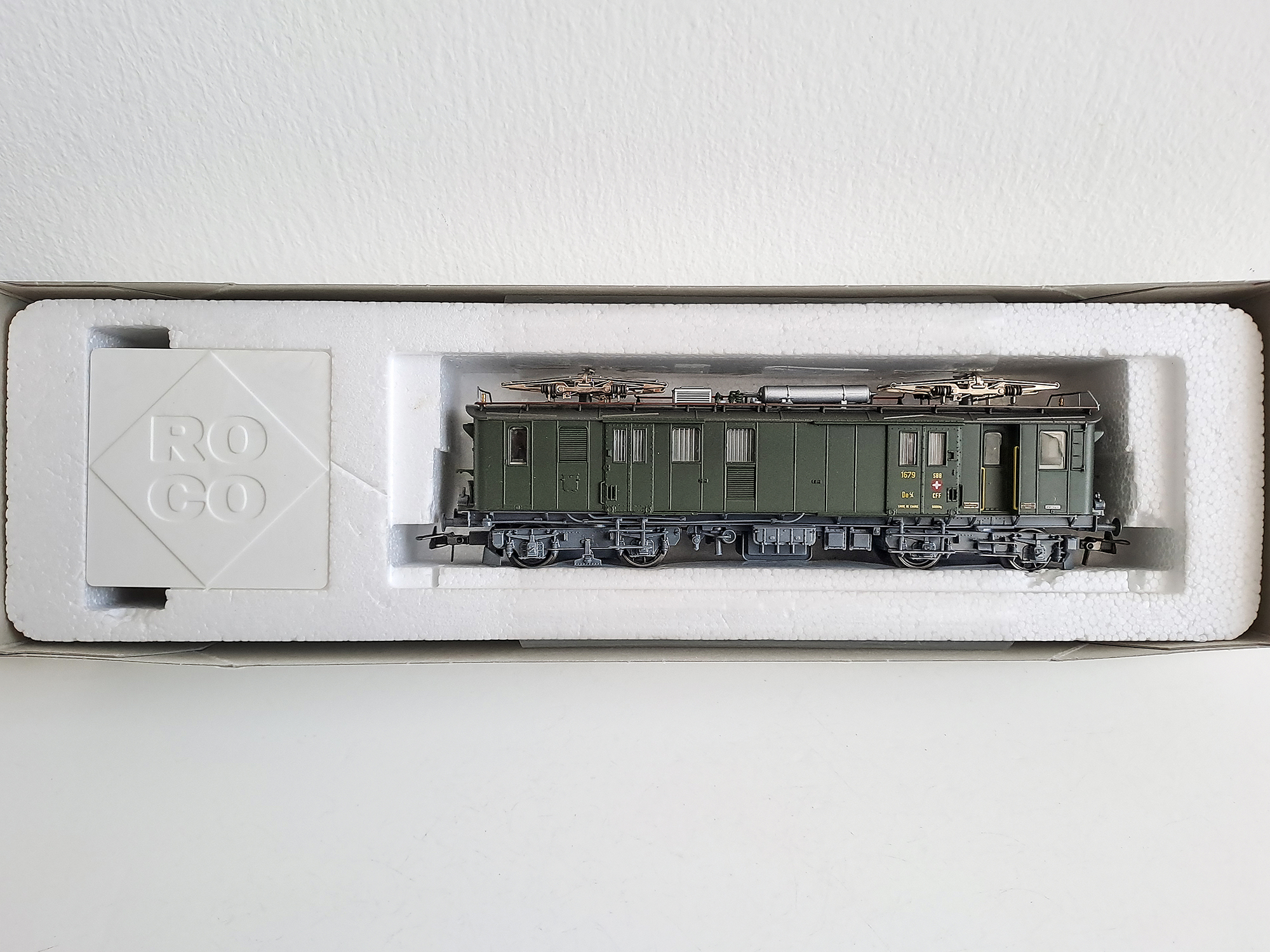
Electric baggage railcar, class D 4/4 of the SBB. A total of 25 De 4/4 railcars were placed in service in 1927/28. The four drive motors had a power output of 808 kW and the maximum speed was 85 km/h. 11 rail-cars were equipped with new superstructures during 1966-71 and are still in service at Seetal. All other rail-cars have been scrapped with exception of 2 museum vehicles; the De 4/4 no. 1679 which is at Rohrschach station as an operating museum vehicle and the De 4/4 no. 1678 (Fe 4/4 no. 18518 ) in the Lucerne “Verkehrshaus” (traffic museum). Model of the baggage railcar De 4/4 1679 of the SBB. All for axles powered, 2 wheels with traction tyres, motor with flywheel.
ROCO
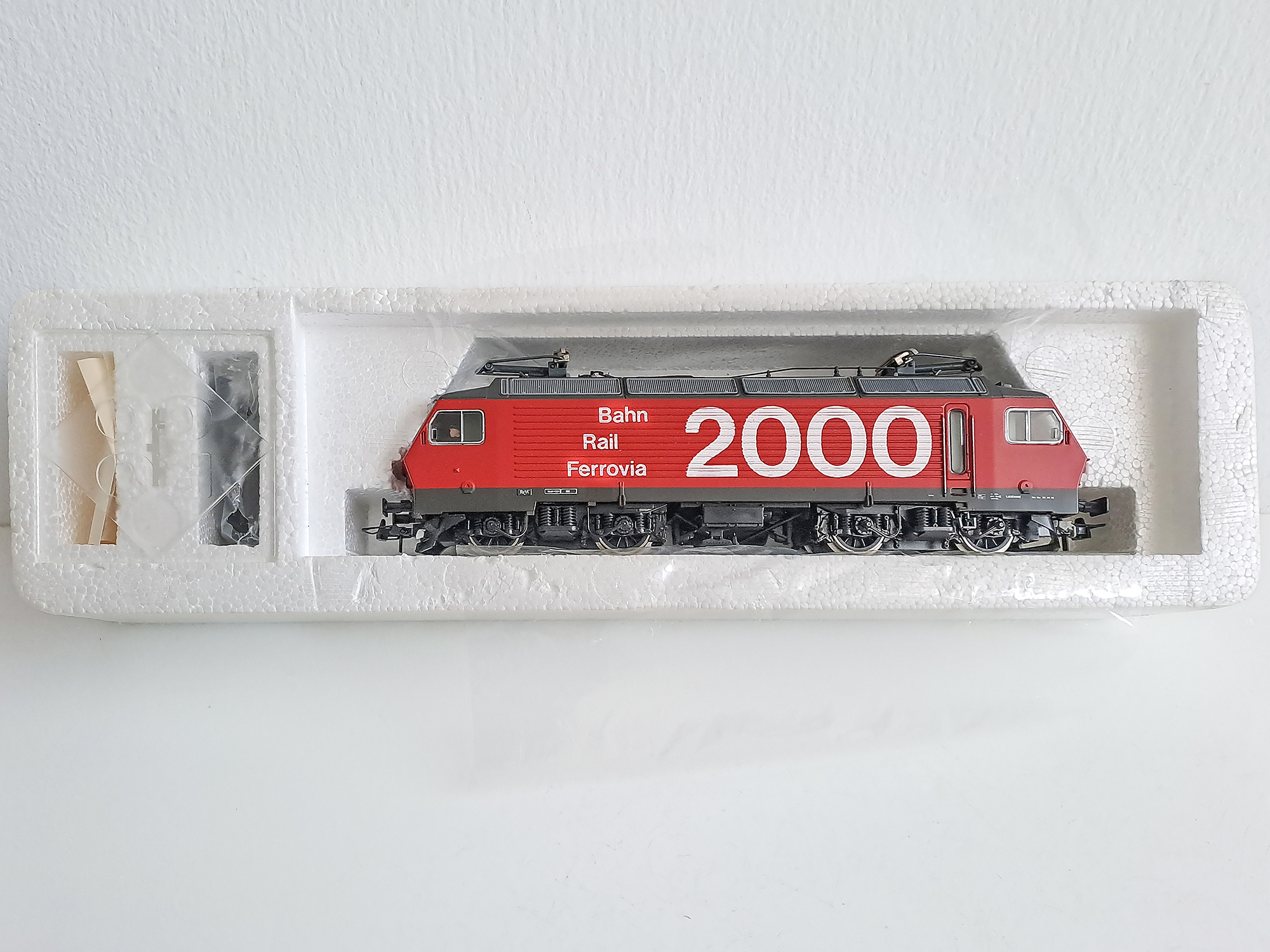
Electric locomotive, class Re 4/4 IV of the SBB, wheel arrangement Bo-Bo. After extensive preliminary testing the SBB ordered four test locomotives in 1978 of this type multi-purpose heavy duty locomotive. For comparison of test results each of these locomotives was originally provided with a different paint scheme. Two of these versions are still available as model nos. 43493 and 43494. By now all four engines have received the “Bahn (Railway) 2000” livery. This, at present the most modern, Swiss locomotive has a power output of 5072 kW and a maximum speed of 160 km/h. Model of a locomotive in the “Bahn 2000” design. Locomotive frame made of diecast metal, plastic body, all 4 axles powered, motor with flywheel, 2 wheels with adhesion tyres.
ROCO
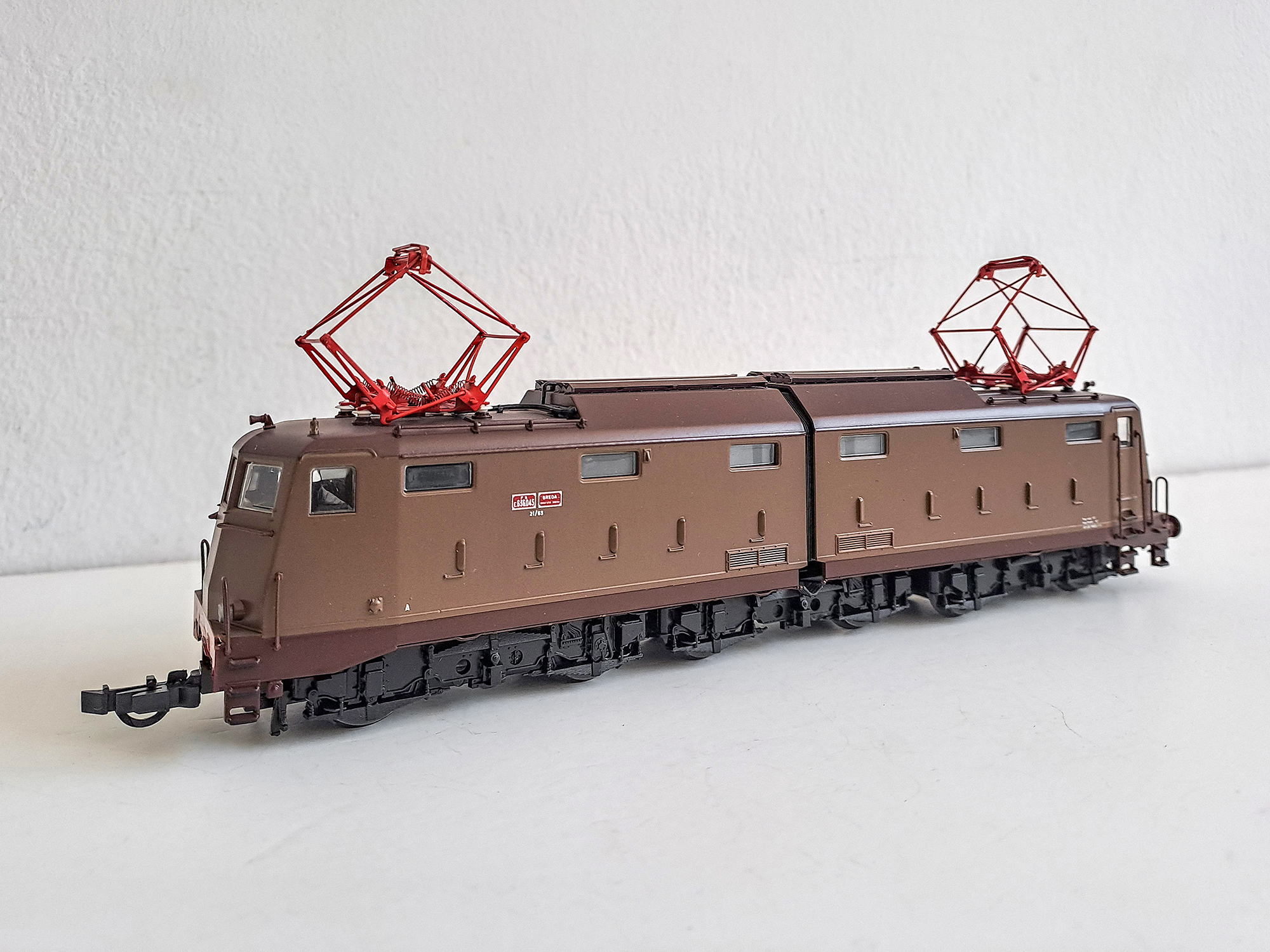
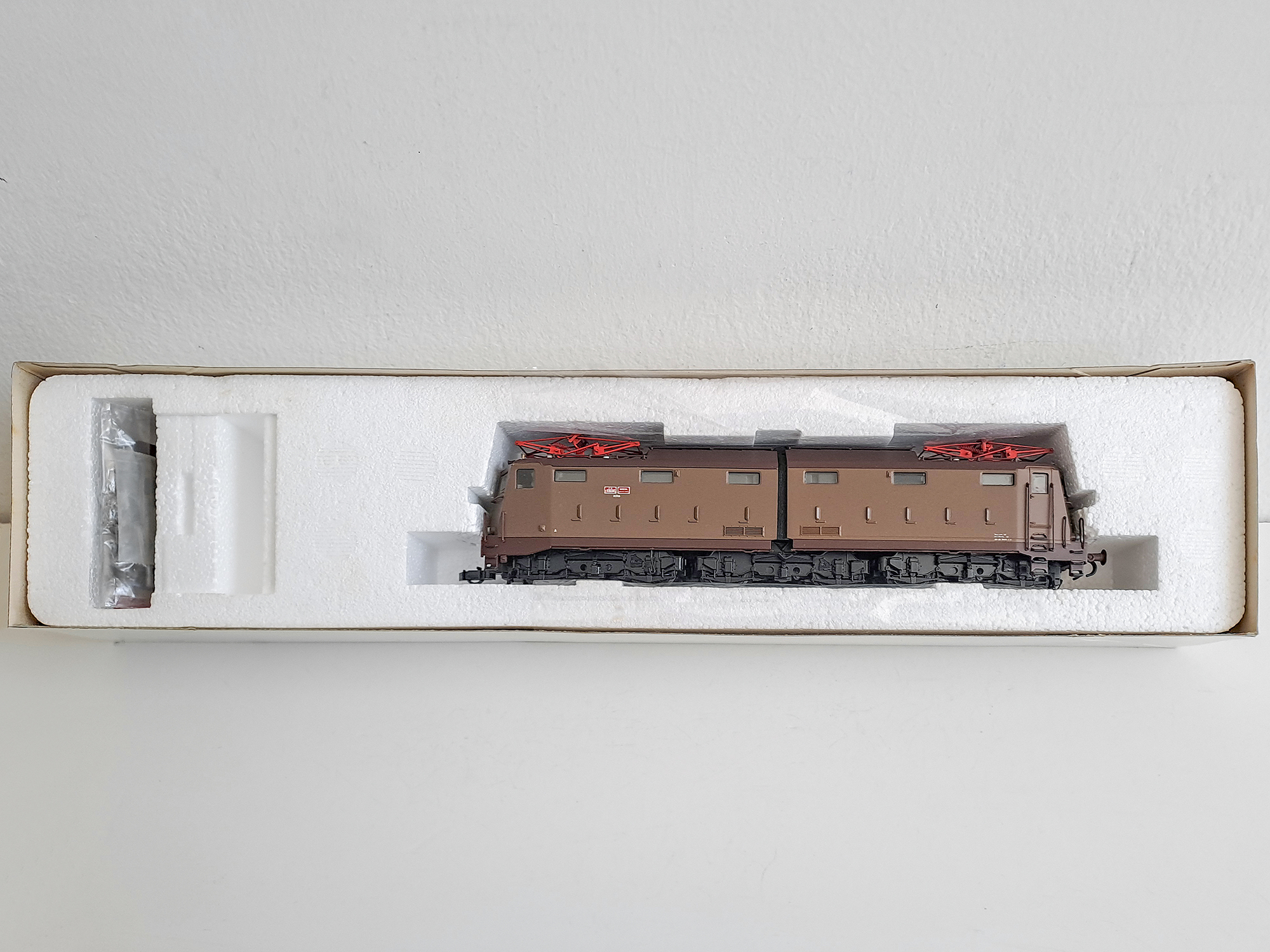
Electric locomotive, class E 636 of the Italian State Railways FS, wheel arrangement Bo-Bo-Bo. Between 1940-1942 a total of 108 locomotives of this class were procured for heavy freight and passenger train service. To alleviate the acute shortage of power units after World War II, it was decided to purchase additional engines of this class between 1952 and 1962 until 459 units of this class existed. Model of a locomotive of class E 636 of the FS, eras III/IV. 4 axles of outer bogies are powered, 2 wheels with traction tyres, motor with flywheel. The two halves of the locomotive are prototypically articulated.
ROCO
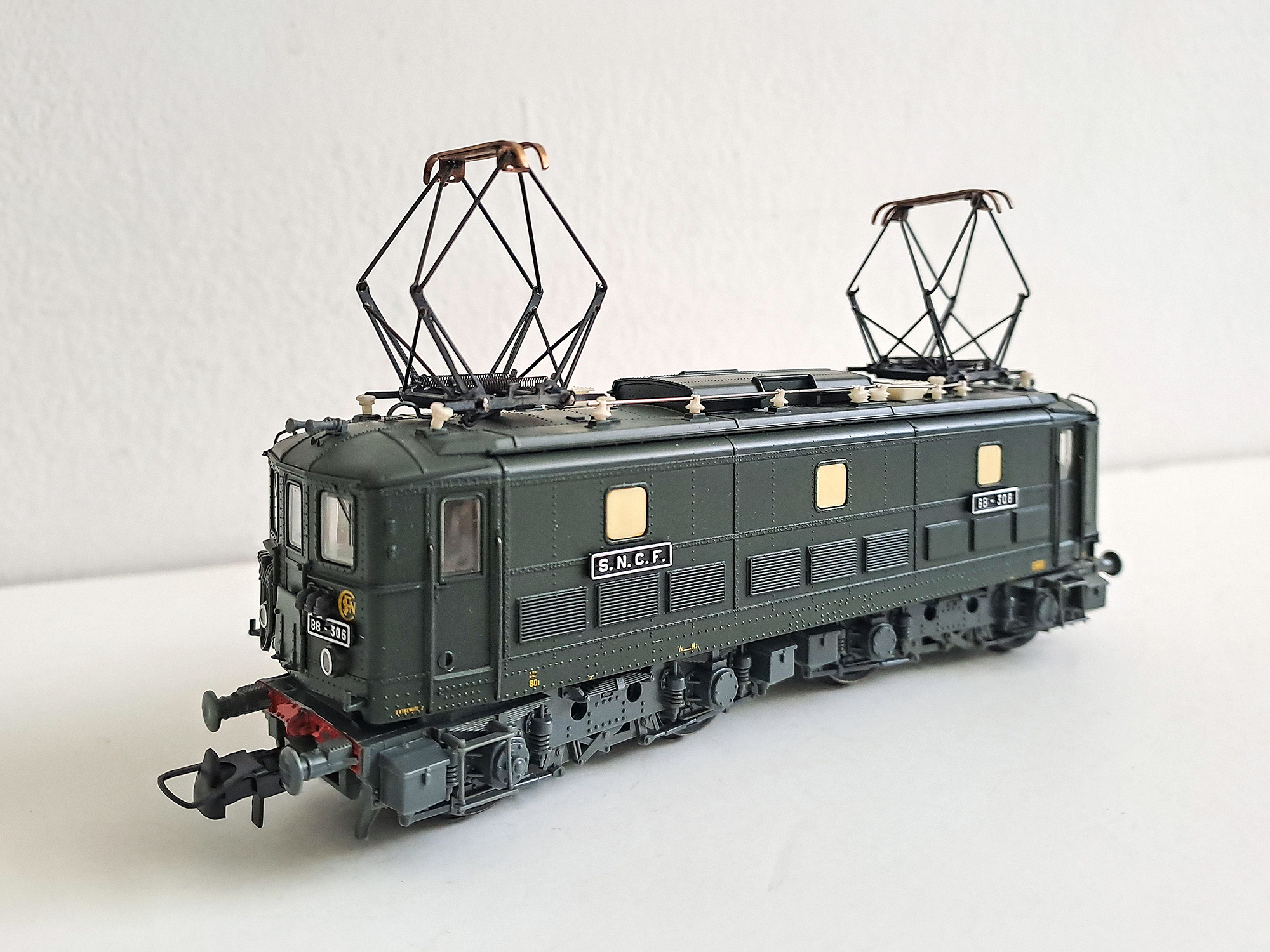
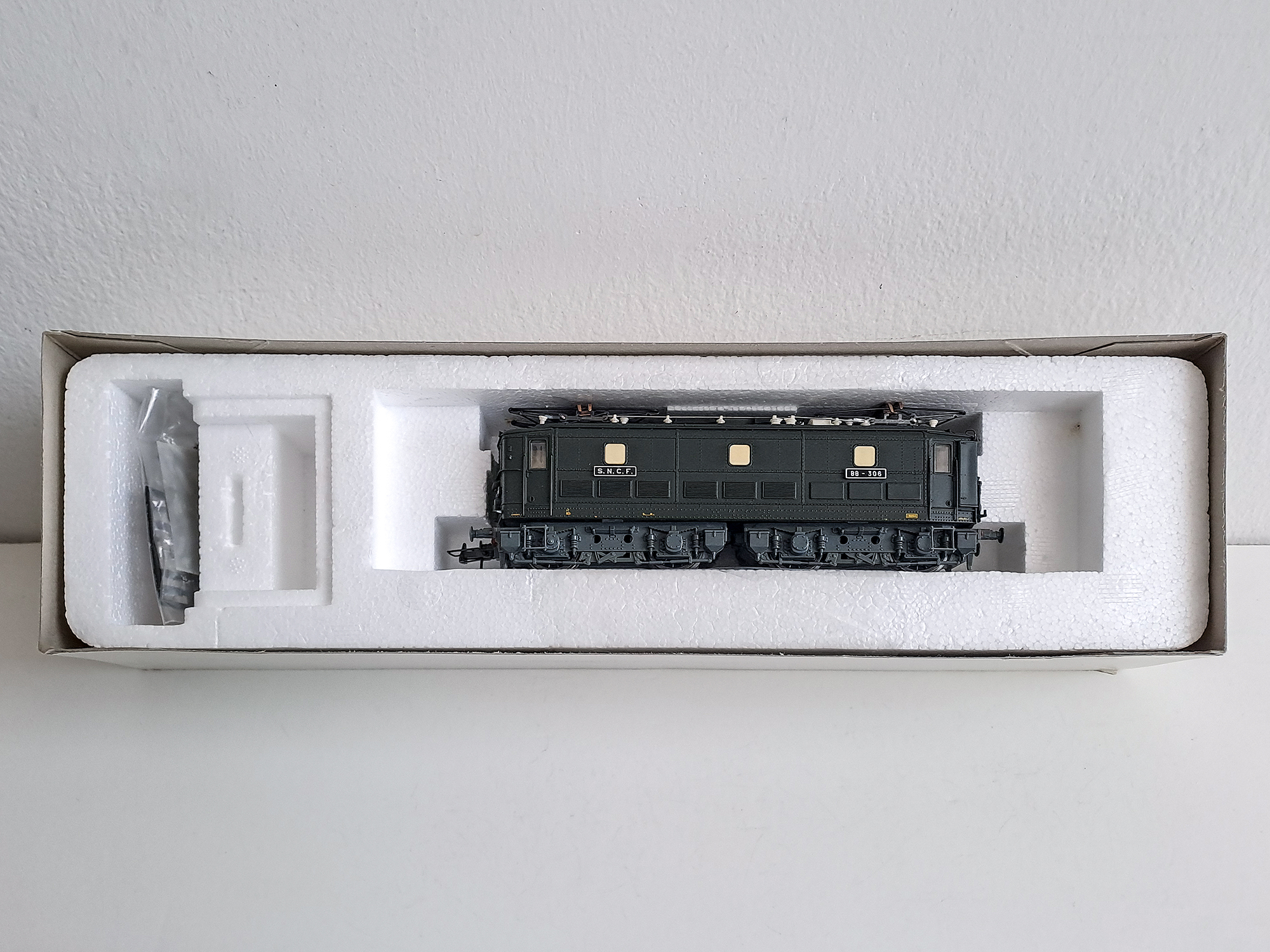
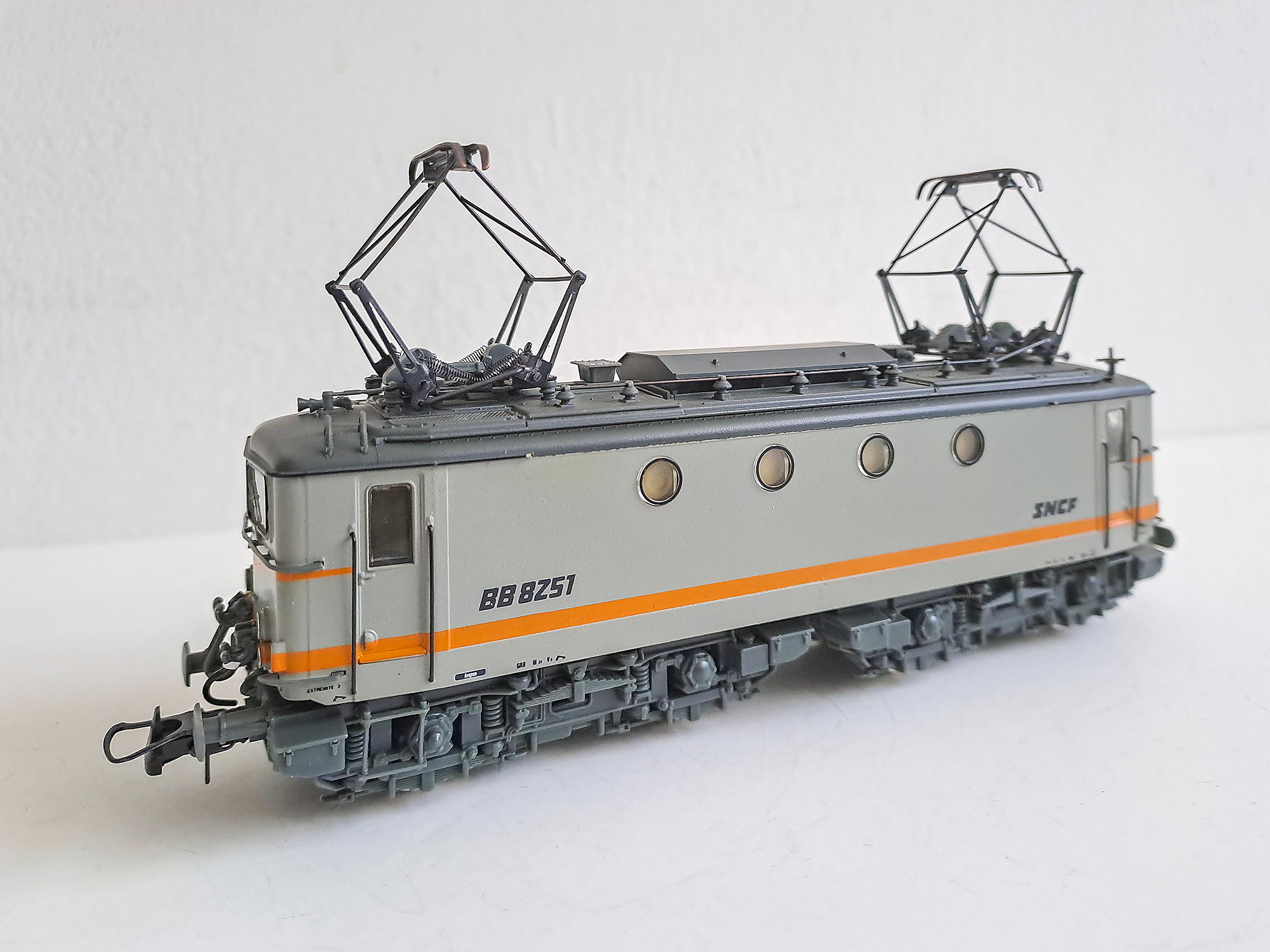
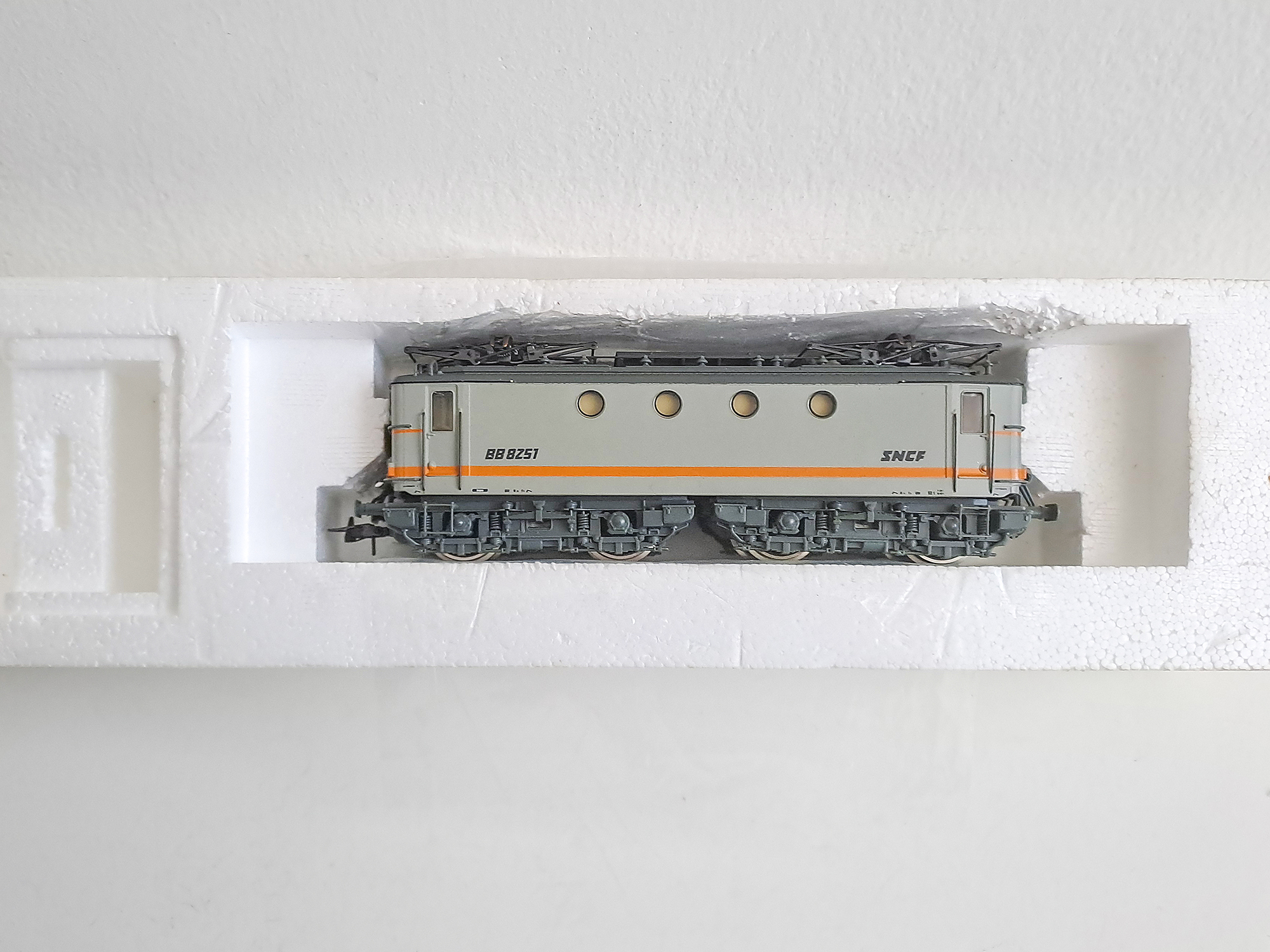
Electric locomotive class BB 300 of the SNCF. Wheel arrangement Bo-Bo. In 1936 the French railway company PO-Midi ordered 24 locomotives with which were delivered in 1938 to the newly formed SNCF as nos. E241 to E264. Later the locomotives were renumbered BB 30-324. In 1946 the SNCF ordered 31 additional locomotives of this type which were numbered BB 325-355. This second series was rebuilt during the 1960s resulting, among other things, in a more modern appearance. These locomotives are often used as multiple units (up to 3 units) being specially equipped for this type of service. Their maximum speed is 105 km/h and they develop1510 kW power. Model of the BB 300 of the first production series of the SNCF. Alternative numbers for locomotives BB 302, 306 and 317 are supplied. All four axles powered, 2 wheels with traction tyres.
ROCO
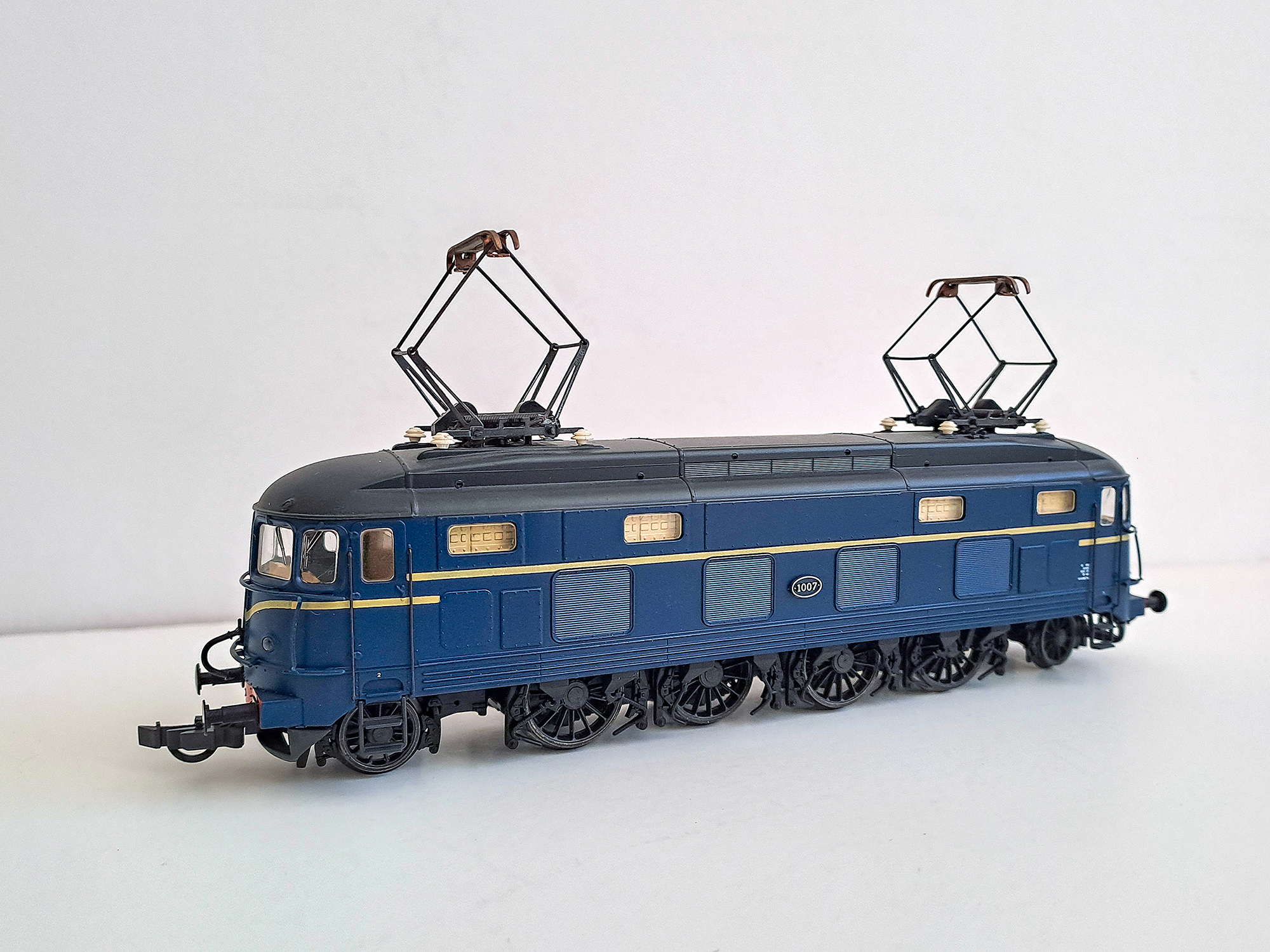
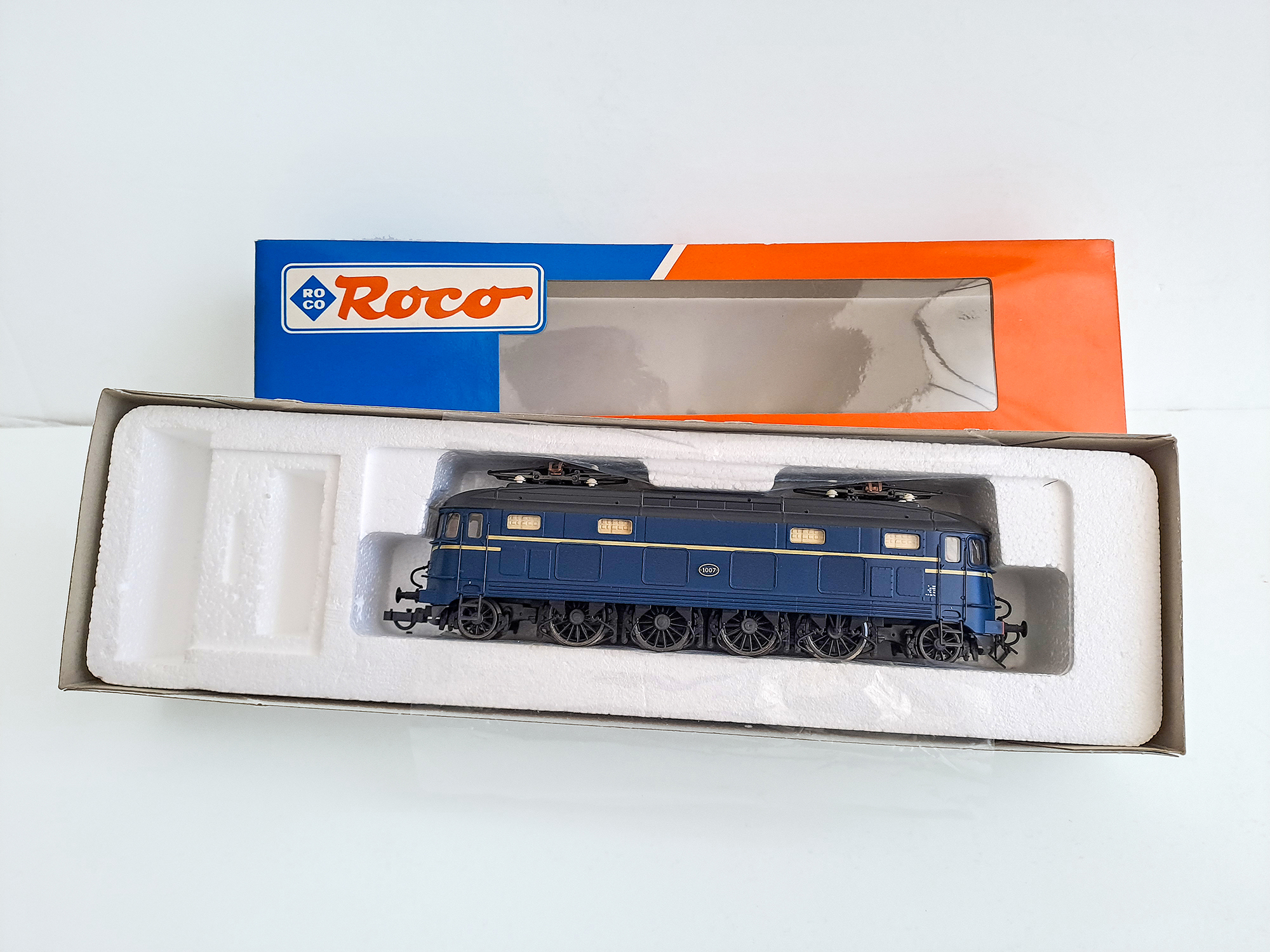
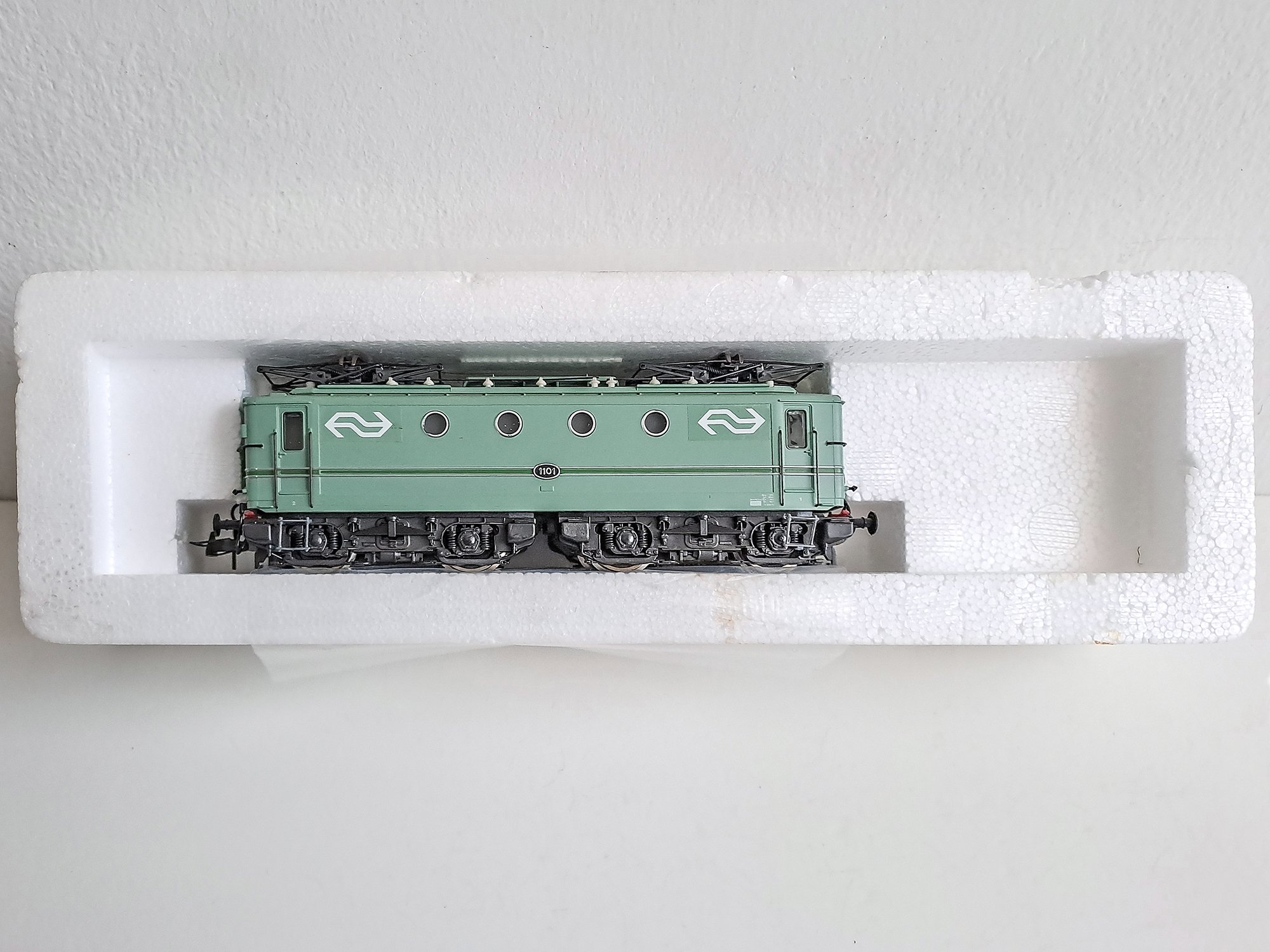
Electric locomotive, class 1000 of the NS, wheel arrangement 1-Do-1. Based on the Swiss class Ae 4/6 the Swiss firms SLM and Oerlikon developed an express locomotive for the Netherlands State Railways during the mid-40s. The first 3 engines were delivered in 1948. 7 more engines were built in license by the Amsterdam firm Werkspoor. These locomotives were not very successful and were related to freight service with a maximum speed of 100 k/h in 1955 and eventually taken out of service in 1982. The prototype of our model, loco 1010, was reconditioned and exhibited for the 150 year jubilee of the railway in the Netherlands. Metal frame, plastic body, all 4 axles powered, 2 wheels with adhesion tyres.
ROCO
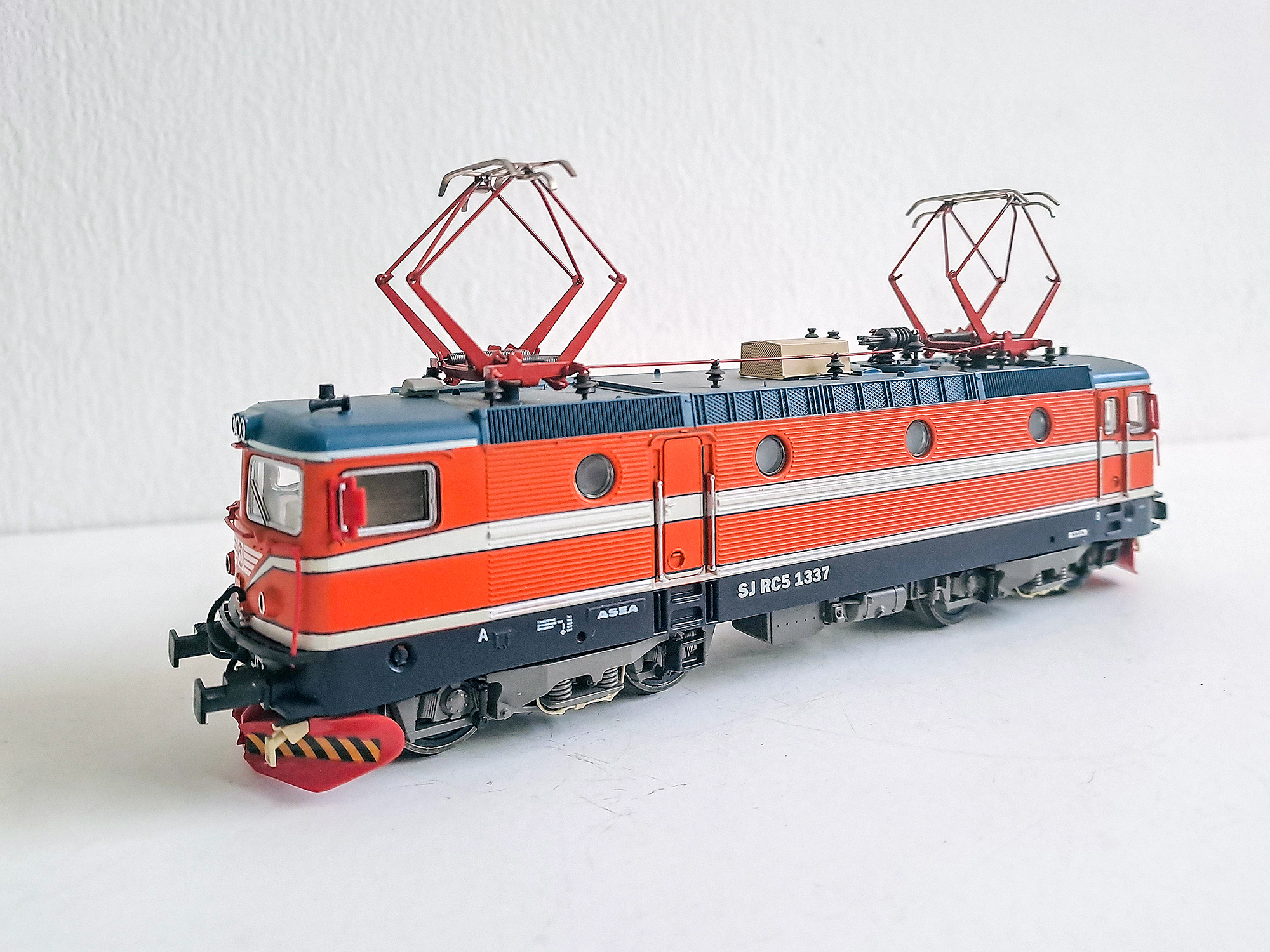
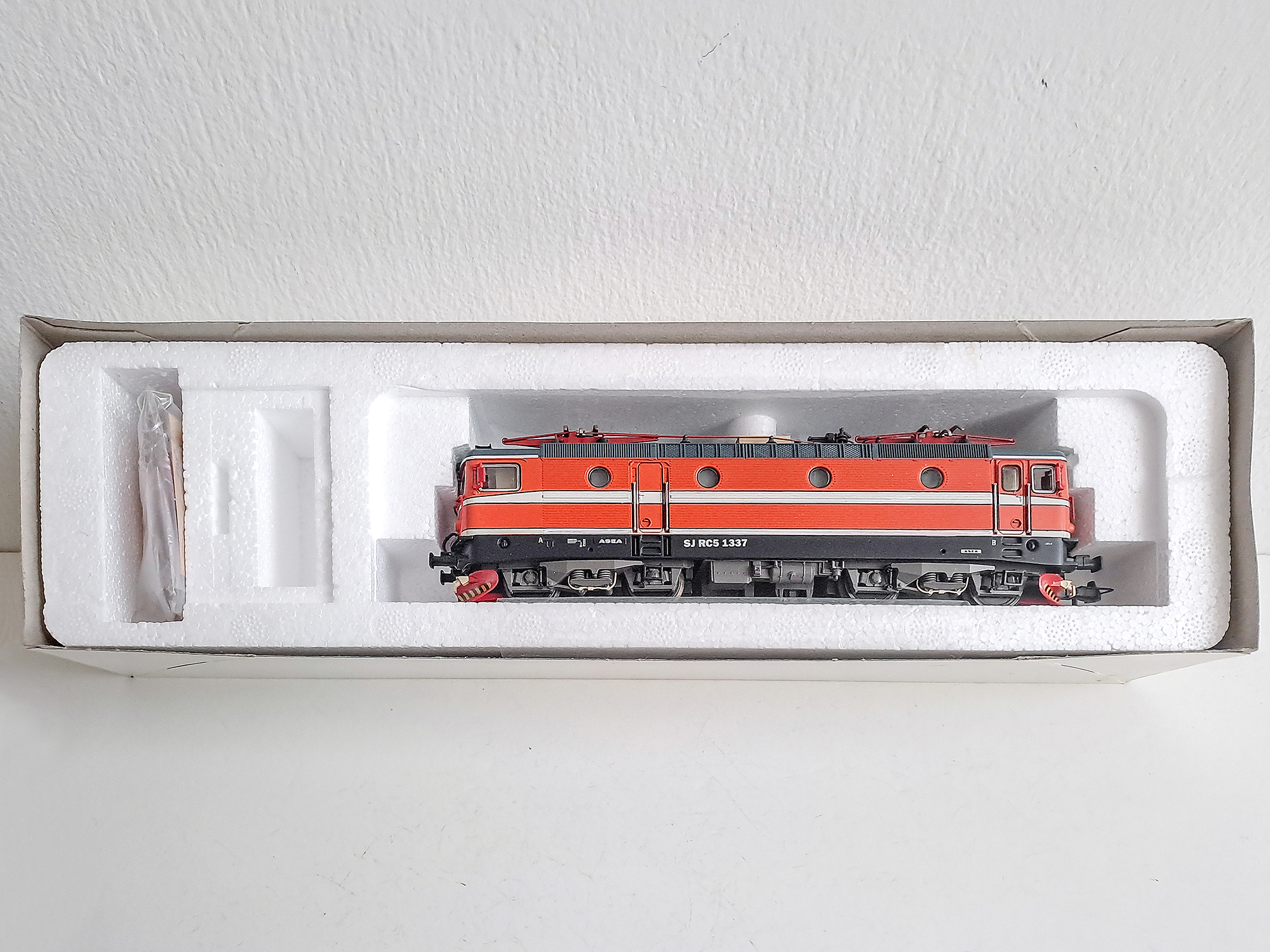
Electric locomotive class Rc5 of the Swedish State Railways SJ, wheel arrangement Bo-Bo. The locomotives of the class Rc5 are the most recent products of the very successful Rc series of the Swedish State Railways. This success is the result of the ASEA thyristor technology which has been used since the early 1960s in Swedish locomotive design. A total of 265 engines of classes Rc1-Rc4 were put in service between 1967 and 1982. The successor model Rc5 was introduced in 1982. Plastic body, all four axles powered, 2 wheels with traction tyres. Several locomotive numbers are supplied.
ROCO
Steam Loco????????????????????????????????????????rator no 10.
ROCO
Steam Loco????????????????????????????????????????rator no 10.
ROCO
Steam Loco????????????????????????????????????????rator no 10.
ROCO
Steam Loco????????????????????????????????????????rator no 10.
ROCO
Steam Loco????????????????????????????????????????rator no 10.
TRIX
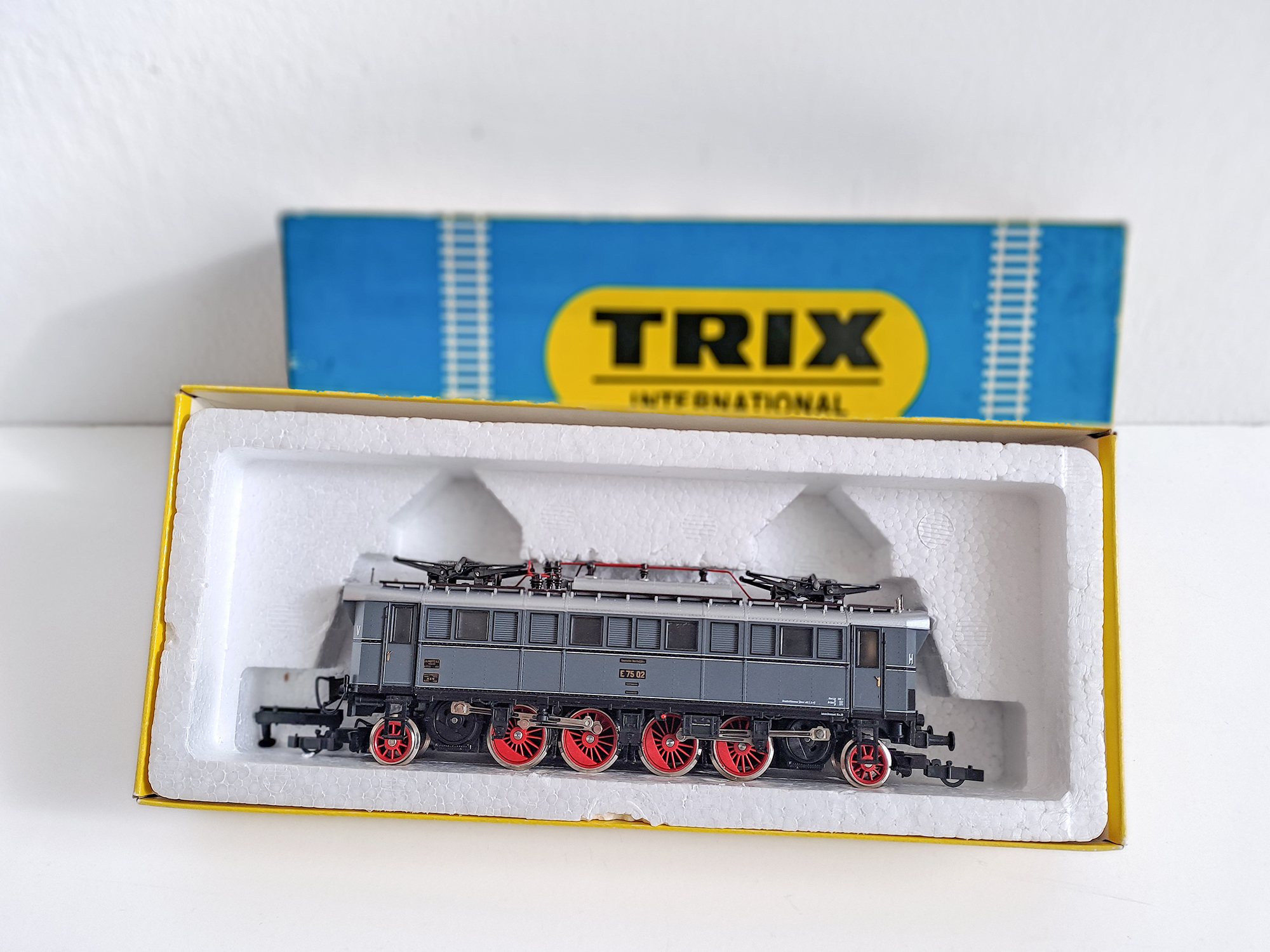
Steam Loco????????????????????????????????????????rator no 10.